When it comes to hardwood floors, the allure of a spotless, germ-free surface can be particularly enticing. In high-humidity regions, where moisture and dampness are common, maintaining the cleanliness of hardwood floors can be challenging. Can you steam clean hardwood floors in such conditions is a question many homeowners ask, hoping to fight mold and mildew effectively. However, the real issue is whether steam is a safe cleaning method in these environments.
Myth #1: Steam Cleaning is Safe for All Sealed Wood Floors
A common belief is that steam cleaning is safe for all types of sealed hardwood floors. Many assume that the protective sealant acts as a barrier, preventing moisture from penetrating the wood. However, this assumption can lead to unexpected damage over time.
In reality, the effectiveness of the sealant depends on several factors, including the quality of the sealant, the age of the floor, and the application of the finish. Steam can find its way through even the smallest imperfections, causing warping, swelling, and other forms of damage. Therefore, relying solely on the sealant for protection against steam can be risky.
It’s essential to understand that not all sealing techniques are equal. Some finishes may be more resistant to moisture than others, but no seal is completely impervious. To prevent costly repairs, it’s crucial to assess the condition of your floor and opt for cleaning methods that suit its specific needs.
Myth #2: Humid Climates Don’t Matter If the Floor is Finished
Another misconception is that high humidity levels are irrelevant if the floor is finished. Many think that once coated, you can steam clean hardwood floors freely without issue. But this isn’t true in humid environments.
In humid climates, wood naturally absorbs more moisture from the air, making it more susceptible to further moisture from steam cleaning. Even if a floor is finished, the combination of humidity and steam can create an environment ripe for problems such as buckling or cupping.
Ignoring the impact of humidity can result in severe damage to your floors. It’s essential to consider climate conditions when deciding on a cleaning method. Recognizing the limitations of finishes in humid areas is key to preserving the integrity of your hardwood floors.
What Actually Happens: Wood + Steam + Humidity
The interaction between wood, steam, and humidity can be complex. When steam is applied to hardwood floors, the moisture can penetrate the surface, causing the wood to expand. In high-humidity areas, where the air is already saturated with moisture, this effect is amplified.
The wood’s natural response to moisture is to expand and contract, which can lead to visible damage over time. Warping, cupping, and cracking are common issues that arise from excessive moisture exposure. These problems not only affect the appearance of your floors but can also compromise their structural integrity.
Understanding how steam and humidity interact with wood is crucial for maintaining your floors. By acknowledging these factors, you can make informed decisions that minimize the risk of damage and extend the life of your hardwood surfaces.
Fact: Most Warranties Void If You Use Steam
Many homeowners are unaware that using a steam cleaner on hardwood floors can void the warranty. Manufacturers often specify cleaning methods in their warranties, and steam cleaning is usually not recommended due to its potential to damage the wood.
Warranties are designed to protect consumers from manufacturing defects, but they also outline the responsibilities of the homeowner in maintaining the product. By using steam, you could inadvertently void your warranty, leaving you unprotected against future issues that may arise.
It’s vital to read your warranty thoroughly and adhere to the recommended cleaning practices. Understanding the terms of your warranty can save you from unexpected expenses and ensure your floors remain covered in case of defects.
What About “Steam Mops”? Are They Safer?
Steam mops are often marketed as a safer alternative to traditional steam cleaners, particularly for hardwood floors. These devices typically produce less steam and are easier to control, which might seem like a viable option in humid regions.
However, even steam mops pose a risk to hardwood floors. The limited amount of steam they emit can still penetrate the wood, especially in high-humidity environments. Over time, the cumulative effects of using a steam mop can lead to the same issues as regular steam cleaners, such as warping and cupping.
To protect your floors, it’s essential to weigh the benefits of steam mops against the potential risks. While they may offer a temporary solution, alternative cleaning methods are often more effective and safer for your hardwood floors in the long run.
Recommended Non-Steam Methods in High-Humidity Zones
Considering the risks associated with steam cleaning, exploring alternative methods for maintaining hardwood floors in humid areas is crucial. Non-steam cleaning techniques can provide effective results without compromising the integrity of your floors.
Dry Mopping: Use a microfiber mop to remove dust and dirt regularly. This method minimizes moisture exposure and keeps your floors looking clean and fresh.
Vinegar and Water Solution: A simple solution of vinegar and water can be an effective cleaner for hardwood floors. Apply it with a damp cloth or mop, ensuring it is not overly wet to prevent moisture damage.
Professional Cleaning Products: Invest in cleaning products specifically designed for hardwood floors. These products are formulated to protect the finish and maintain the wood’s natural beauty without adding unnecessary moisture.
Expert Tip: Regular Deep Cleaning Without Moisture Risk
Maintaining hardwood floors in humid climates requires diligence and the right approach. Experts recommend regular deep cleaning to keep floors looking their best while avoiding the risks associated with steam.
Schedule Routine Cleanings: Establish a regular cleaning schedule to prevent dirt and grime from building up. Consistent maintenance is key to preserving the integrity of your floors.
Use Appropriate Tools: Invest in high-quality cleaning tools, such as microfiber mops and soft-bristle brushes. These tools are gentle on your floors and help avoid scratches and damage.
Keep Humidity in Check: Use dehumidifiers or air conditioners to regulate indoor humidity levels. Maintaining a stable environment can significantly reduce the risk of moisture-related issues.
Summary
In summary, while it might seem tempting to answer yes to can you steam clean hardwood floors, especially in high-humidity regions, the evidence strongly suggests otherwise. The myths surrounding steam cleaning can lead to costly mistakes and damage to your floors. By understanding the realities of how steam, humidity, and wood interact, you can make informed decisions that protect your investment. Alternative cleaning methods offer effective solutions without the risk of moisture damage, ensuring your hardwood floors remain beautiful and durable. Listening to real experiences from homeowners and following expert advice can guide you in maintaining your floors effectively.
When it comes to maintaining the elegance and charm of your hardwood floors, knowing how to patch wood floor correctly—while matching the original color and grain—is crucial. A seamless patch not only restores the floor’s beauty but also prolongs its lifespan. This article will walk you through the intricacies of patching wood floors, ensuring your repairs are indistinguishable from the original flooring.
Why Color and Grain Matching Is the Hardest Part of Patching
Color and grain matching is arguably the most challenging aspect of patching wood floors due to the unique characteristics inherent in natural wood. Each piece of wood has its distinct grain pattern and color tone, influenced by its species, age, and even the specific part of the tree from which it was harvested. These variations make it difficult to find an exact match in replacement wood.
One of the primary reasons color and grain matching is so complex is the natural aging process of wood. Over time, exposure to light, air, and wear can alter the wood’s appearance, making it different from new wood. This is why a patch made with freshly milled wood often stands out unless carefully matched and blended with the surrounding floor.
Moreover, the finishing process plays a significant role in the challenge. Different stains and finishes react uniquely with the wood, intensifying or muting its natural colors. Understanding how to manipulate these variables is key to achieving a seamless patch that blends perfectly with your existing flooring.
Can You Patch Hardwood Floors Yourself?
Deciding whether to tackle a hardwood floor patching project yourself depends on your comfort level with DIY tasks and the extent of the damage. Minor scratches or small areas of damage can often be addressed with simple tools and materials available at most home improvement stores. DIY kits often include wood putty, stain markers, and touch-up pens for minor fixes.
However, for larger repairs, such as replacing entire planks or dealing with significant damage, it’s crucial to assess the tools and skills required. You’ll need to cut and fit new wood precisely, which can be challenging without the proper equipment and experience. Additionally, achieving a perfect color and grain match can be a meticulous process that requires patience and attention to detail.
If you’re confident in your abilities and willing to invest the time, patching your hardwood floors can be a rewarding project. However, if the task seems daunting or if the damage is extensive, it might be wise to consult with a professional. They have the expertise and tools to ensure a flawless repair that maintains the integrity and beauty of your floors.
Matching Grain Direction: What to Look For
Matching the grain direction is a critical part of achieving a seamless patch. The grain of the wood contributes to the overall aesthetic and can greatly affect how light reflects off the surface, influencing the perceived color and texture. When selecting replacement wood, pay close attention to the direction and pattern of the grain.
To match grain direction, start by examining the existing floor closely. Note the orientation of the grains, whether they are straight, wavy, or have a distinct pattern like bird’s eye or tiger stripes. When procuring replacement wood, compare multiple pieces to find one that closely resembles the grain of your existing floor.
In addition to direction, consider the grain’s texture and the wood’s surface finish. Some woods have a smooth finish, while others may have a more rustic or distressed appearance. Ensuring that these elements match is crucial for a patch that blends seamlessly with the surrounding floor.
Stain Blending Techniques for a Seamless Finish
Achieving a seamless finish with stain blending requires careful preparation and application. Begin by choosing a stain that closely matches the existing floor. It’s often helpful to test the stain on a scrap piece of wood or an inconspicuous area of the floor to ensure it dries to the desired color.
One effective technique is to layer stains to achieve depth and variation similar to the original floor. Start with a base coat of stain and allow it to dry thoroughly. Apply additional layers, adjusting the color with each application until the match is as close as possible. Use a soft cloth or brush to blend the edges, feathering the stain into the surrounding areas for a natural transition.
Pay attention to the type of finish on your existing floor, as it affects the final appearance. Whether it’s a matte, satin, or glossy finish, ensure that your patch matches this finish for uniformity. Finally, seal the patch with a clear topcoat to protect the wood and enhance the stain’s vibrancy.
Using Pre-finished vs Raw Wood for Patching
Choosing between pre-finished and raw wood for patching depends on several factors, including convenience, cost, and the desired outcome. Pre-finished wood comes with a factory-applied finish, offering a quick and easy installation process. This option is ideal if you want to minimize downtime and avoid the mess associated with finishing on-site.
However, pre-finished wood may limit your ability to achieve a perfect color and grain match, as the factory finish might not align with your existing floor. In contrast, raw wood allows for greater flexibility in customizing the stain and finish to match the surrounding floor precisely. While more labor-intensive, this approach can result in a more seamless integration.
Consider the scope of the repair and your willingness to invest time and effort into the project. If you’re comfortable with the finishing process and desire a more precise match, raw wood might be the better choice. Conversely, if convenience and speed are your priorities, pre-finished wood may be the preferred option.
How Lighting Affects Color Matching
Lighting plays a significant role in color perception and can impact how well your patch blends with the existing floor. Natural light and artificial lighting can alter the appearance of wood, making it crucial to evaluate your patch under various lighting conditions. This ensures consistency and avoids surprises once the repair is complete.
During the color matching process, observe the floor at different times of the day and under different light sources. Note how the color changes and adjust your stain and finish accordingly. Some stains may appear darker or lighter depending on the light, so testing in multiple conditions is essential for accuracy.
Additionally, consider the influence of surrounding elements, such as wall colors and furnishings, on the perceived color of the floor. These factors can create optical illusions that affect how the patch blends with the rest of the room. By understanding and accounting for lighting variations, you can achieve a more cohesive and aesthetically pleasing result.
When to Hire a Professional Wood Floor Restorer
There are several scenarios where hiring a professional wood floor restorer is the best course of action. If your floors have extensive damage, such as deep gouges, water stains, or large sections that need replacing, a professional’s expertise can ensure the repair is done correctly and efficiently. They have access to specialized tools and materials that may not be available to the average DIYer.
Another situation that warrants professional help is when dealing with unique or exotic wood species. These types of wood often have distinct grain patterns and colors that require a skilled hand to match accurately. Additionally, professionals have the experience to handle these materials without causing further damage or waste.
Lastly, consider hiring a professional if you have time constraints or if the thought of tackling such a project is overwhelming. Professionals can complete the work quickly and with minimal disruption to your home. They also offer warranties on their work, providing peace of mind that your floors will be restored to their former glory.
Maintaining Color Consistency Over Time
Maintaining color consistency over time requires regular maintenance and awareness of factors that can cause color changes. Exposure to sunlight, temperature fluctuations, and wear can alter the appearance of wood, leading to noticeable differences between the patch and the original floor.
To prevent fading and discoloration, use window treatments or UV-blocking films to reduce sun exposure. Regularly clean and polish your floors to remove dirt and debris that can dull the surface. Consider using area rugs or furniture pads to protect high-traffic areas from excessive wear.
Periodic reapplication of finishes can also help maintain color consistency. Over time, finishes can wear away, exposing the wood to environmental factors that can alter its color. By staying proactive with maintenance, you can ensure your patch remains indistinguishable from the original floor, preserving the beauty of your hardwood for years to come.
Summary
Patching wood floors while matching the original color and grain is a nuanced process that requires careful attention to detail. Whether you choose to tackle the project yourself or enlist the help of a professional, the key is to be thorough and patient. With the right approach and techniques, you can restore your hardwood floors to their former glory, maintaining their elegance and durability for years to come.
Scratched wood floors can transform a beautiful home feature into an eyesore overnight. Whether from moving furniture, pet claws, or dropping heavy objects, these imperfections catch both light and attention. Fortunately, learning how to get scratches out of wood floors doesn’t always require professional intervention or complete refinishing.
Many effective solutions for repairing scratched wood floors use simple household items you likely already have. From coconut oil and walnuts for minor scuffs to wood filler for deeper gouges, the right technique depends entirely on the severity of the damage. This guide explores proven methods that actually work, helping you restore your wood floors to their original beauty without unnecessary expense or effort.
Step 1: Assess the Type and Depth of Scratch
Before attempting to fix damaged wood floors, understanding what you’re dealing with is essential. Different scratches require different repair approaches, and correctly identifying the type of damage will save you time, money, and frustration.
Types of Scratches
Wood floor scratches typically fall into three main categories, each requiring a specific repair strategy:
Light or superficial scratches only affect the finish layer of your floor. These minor marks don’t penetrate into the actual wood and often appear as faint lines visible only under certain lighting conditions.
Medium scratches are more noticeable and have penetrated through some of the finish but haven’t reached deeply into the wood itself.
Deep scratches and gouges have broken through the protective finish and damaged the wood underneath. These require more intensive repair methods.
The severity of scratches can vary widely – from microscopic surface abrasions to significant gouges. Understanding this spectrum is a crucial first step in learning how to get scratches out of wood floors effectively.
Fingernail Test: A Simple Way to Gauge Depth
To perform the test:
Clean the scratched area thoroughly with a soft cloth.
Gently run your fingernail across the scratch perpendicular to its direction.
Pay attention to how your nail interacts with the damaged area.
If your fingernail glides smoothly, it’s a superficial scratch.
If your nail catches slightly, it’s a medium scratch.
If your nail catches deeply, it’s a gouge requiring more substantial repair.
This simple test is remarkably effective, especially since softer woods can exaggerate even slight damage.
Why Proper Assessment Matters
Correctly identifying scratch depth ensures you use the right repair method. Applying an inappropriate treatment wastes time, money, and materials—and might even worsen the problem. Light scratches can often be treated with oil or buffing, while deeper damage may require wood filler or refinishing.
Additionally, the type of floor finish (oil-based, water-based, waxed, varnished, etc.) plays a major role in how your floor responds to different treatments. Knowing when to repair and when to refinish prevents unnecessary work or costly errors.
Step 2: Fix Superficial Scratches Using Household Items
Once you’ve confirmed the scratches are superficial, you can restore your floors with simple remedies that avoid harsh chemicals or professional tools.
— Coconut Oil or Olive Oil
Natural oils are excellent for hiding superficial scratches and moisturizing the wood.
Coconut oil is ideal for untreated or freshly sanded floors. Clean the scratch, apply a thin layer of coconut oil, wait five minutes, and buff it with a soft cloth.
Olive oil works similarly. Dab a small amount on the scratch, let it soak, and wipe away excess.
Both oils nourish the wood and reduce the appearance of surface blemishes.
— Vinegar and Oil Solution
Mix equal parts olive oil and apple cider vinegar. Apply directly to the scratch, let it sit for 24 hours, and wipe it clean. This method combines vinegar’s gentle cleaning power with oil’s conditioning benefits.
— Buffing the Treated Area
After applying oils or treatments:
Use a soft, lint-free cloth.
Start with gentle circular motions, then buff along the grain.
Apply light pressure to work the remedy into the wood.
Buffing restores natural shine and enhances the treatment, an important step in how to get scratches out of wood floors.
— The Walnut Trick
Walnuts contain natural oils and pigments that match many wood tones. Warm the walnut between your fingers, then rub it into the scratch using circular motions. Let it sit, then buff it off. This method is surprisingly effective for light surface damage.
For lighter woods, nuts like pecan or hickory may provide better tone matching.
Step 3: Repair Minor Surface Damage with Specialized Tools
When scratches go deeper than the finish but don’t reach raw wood, use specialized products to mask and fill the damage.
— Touch-Up Pens and Blending Pencils
Touch-up pens and blending pencils are infused with stain or resin and work well for minor to medium scratches.
Use a lighter shade first.
Apply in the direction of the grain.
Wipe excess immediately.
Layer darker shades if needed.
These tools dry quickly and match most common wood finishes.
— Wax Repair Sticks and Crayons
Wax sticks are excellent for deeper surface scratches and nail holes. Rub the stick across the damage to fill it, then buff or level with a plastic straightedge. Available in many colors, these can be blended to achieve a near-perfect match.
— Magic Erasers and Finish Restorers
Magic Erasers can remove scuff marks but must be used cautiously to avoid removing the finish. Alternatively, use finish restorers, which penetrate existing finish to rejuvenate color and shine without removing material—ideal for antique floors.
— Steel Wool for Blending
Super-fine steel wool (0000 grade) blends scratch edges with surrounding wood. Use gentle strokes along the grain, then follow up with a tack cloth and oil or polish. This technique helps those learning how to get scratches out of wood floors achieve smoother results.
Step 4: Address Deep Scratches and Gouges
Superficial damage may be easy to fix, but deep scratches and gouges require a more intensive approach to both repair and conceal. When scratches penetrate through the finish and damage the wood itself, it’s essential to rebuild the affected area using appropriate materials and techniques. This ensures that the fix is not only visually seamless but also structurally sound.
— Repairing Deep Damage with Wood Filler
The first step in repairing a deep scratch or gouge is to clean the area thoroughly. Dirt and debris can prevent adhesives and fillers from bonding properly. Once the surface is clean and dry, you’ll need to apply a wood filler. The best type to use is a stainable and flexible (elastomeric) filler that expands and contracts with the wood to avoid cracking over time.
Application should be done in thin, even layers using a putty knife, ensuring each layer dries fully before adding the next. This gradual build-up prevents air pockets and guarantees better adhesion. If the scratch is particularly deep, some experts recommend using epoxy-based wood filler for added strength and durability. This is a key technique when mastering how to get scratches out of wood floors with deep damage.
— Sanding and Staining for Seamless Blending
Once the filler has cured, you’ll need to sand the area smooth. It’s important to use a fine-grit sandpaper—220-grit or higher—to avoid damaging the surrounding finish. Always sand along the grain to maintain a uniform texture.
After sanding, apply a matching wood stain. The goal here is to blend the repaired section with the surrounding flooring, so color accuracy is essential. You may need to experiment with a few shades or even mix stains to achieve a perfect match. Always test the color on a hidden section before applying it to the main area.
— Finishing with a Protective Coating
After staining, protect the repair with a clear topcoat. Polyurethane is the most commonly used finish because it is durable and resists scratches. Oil-based versions offer a warmer tone but take longer to dry, while water-based options dry quickly and maintain the wood’s natural color without yellowing over time. For smaller repairs or antique floors, shellac may be more appropriate, offering a traditional look and fast drying time.
The final result, when done correctly, is a virtually invisible repair that restores both the appearance and integrity of your hardwood floor.
— When a Professional is the Best Option
If the damage is widespread or the repair area spans multiple boards, it may be more efficient and cost-effective to hire a professional. Likewise, if the repair attempts are clearly visible or the wood is splintering, warped, or compromised structurally, expert help can ensure the job is done safely and correctly. Flooring professionals have access to industrial-grade equipment and color-matching techniques that often surpass what’s achievable with DIY methods.
Step 5: Know When to Refinish the Entire Floor
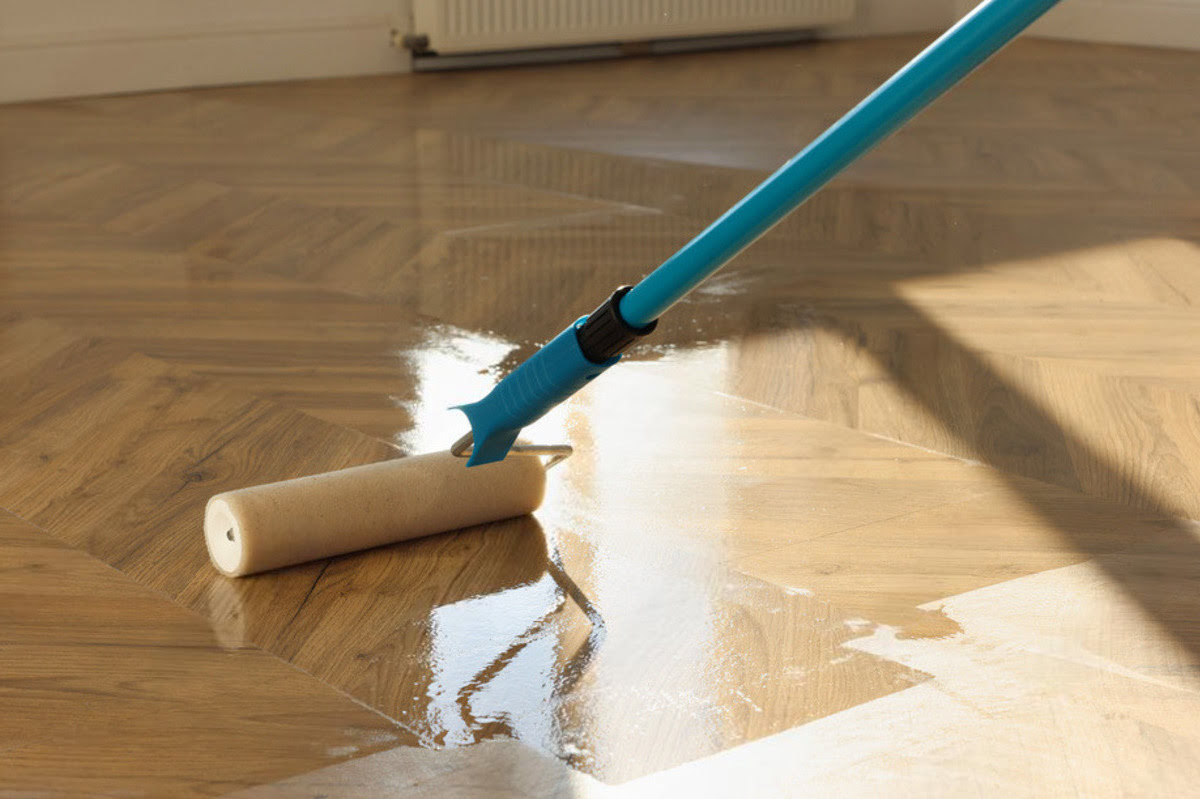
While minor and even moderate damage can often be resolved with targeted repairs, there comes a point when these fixes are no longer enough. When scratches become too numerous or deep, or when the floor’s finish is visibly worn away, refinishing the entire surface may be the only way to fully restore its beauty and protection.
— Recognizing the Signs of Refinishing Needs
Several signs indicate that refinishing is necessary. If water no longer beads on the surface but instead soaks into the wood, the finish has likely worn off entirely. Similarly, when bare wood is exposed, especially in high-traffic areas, or when the floor appears dull, discolored, or uneven in sheen, these are clear indications that the protective layer is no longer doing its job.
In more advanced cases, you may notice water stains or patches of gray, which suggest the wood is beginning to deteriorate due to moisture. These symptoms can’t be fixed with superficial treatments—they require a full sanding and refinishing process.
— Choosing Between DIY and Professional Refinishing
Homeowners who are comfortable with power tools and have the time to dedicate to a multi-day project may choose to refinish their floors themselves. This involves sanding off the existing finish, cleaning the surface, applying a new stain (if desired), and sealing it with several coats of polyurethane or another finish.
However, refinishing hardwood floors is labor-intensive and mistakes can be costly. Uneven sanding can lead to low spots or permanently damage the wood. For this reason, many choose to hire professionals. Though more expensive, professionals can complete the job more quickly and often provide warranties on their work, ensuring long-term peace of mind.
— Selecting the Right Finish for Your Floor
Choosing the appropriate finish is the final step in the refinishing process. Oil-based polyurethane offers durability and a rich, amber tone, while water-based polyurethane is less odorous, dries faster, and retains a clearer appearance over time. For those looking for a more traditional look, natural oils and waxes are also an option, though they require more frequent maintenance.
Experts generally agree that most solid hardwood floors can be sanded and refinished around ten times over their lifespan. This means even heavily damaged floors often have a second—or even third—chance to shine. Knowing when to stop spot-fixing and commit to refinishing can save time, preserve your flooring, and ultimately improve the look and value of your home.
Summary
Wood floors are a timeless investment, and knowing how to get scratches out of wood floors starts with accurate assessment. Light scratches respond well to household treatments; deeper damage requires fillers or refinishing. When spot repairs aren’t enough, full refinishing restores your floor’s original beauty. With proper care, your hardwood floors can remain stunning for decades.

 Fact: Most Warranties Void If You Use Steam

 Maintaining Color Consistency Over Time

 Step 5: Know When to Refinish the Entire Floor