Wide Plank vs Narrow Plank Flooring: Choose the Right Width

How to Choose the Right Plank Width

Right… let’s start from the spot where most homeowners get stuck. Width. Not species, not stain, not finish. Width. You’d think it’s the easier part – “wider feels modern,” “narrow feels classic,” that sort of quick Pinterest logic – but in real houses it never works that clean.

Wide plank means anything 5 inches and up, sometimes 7, 9, even 12. Narrow strip usually sits in the 1.5 to 3.25 inch range. On paper that gap sounds tiny. In a room? That little number decides the entire rhythm of the space.

On our projects at 1 DAY® Refinishing, this comes up constantly. Someone calls us thinking they want the widest boards the mill makes… then remembers they’ve got a hallway the size of a canoe. Or someone wants the old 2.25-inch red oak look… then walks into their open concept and realizes it feels too choppy.

So… here’s what we’ve learned over the years – real homes pick their own plank width. Not trends. Not catalogs. And definitely not the glossy showroom floor that’s perfectly flat with the humidity locked at 42% by a hidden HVAC.

Anyway, let’s get into it.

Wide Plank Hardwood Flooring

Visual Impact & Aesthetic Appeal

Wide planks hit you right away. They have this calm, open look – fewer seams, fewer interruptions, longer grain lines. Your eye kind of glides across the room instead of bouncing around on every joint.

And if we’re talking species like white oak or walnut, wide boards let those grain patterns breathe. You see the sweep of a cathedral grain instead of half of it chopped into three narrow strips. The flooring feels intentional – modern homes, rustic cabins, clean Scandinavian spaces, they all love wide boards for that reason.

You know… sometimes I bring a sample inside and even before I lay it down, homeowners go “Oh wow, that’s the one.” It’s that sort of impact.
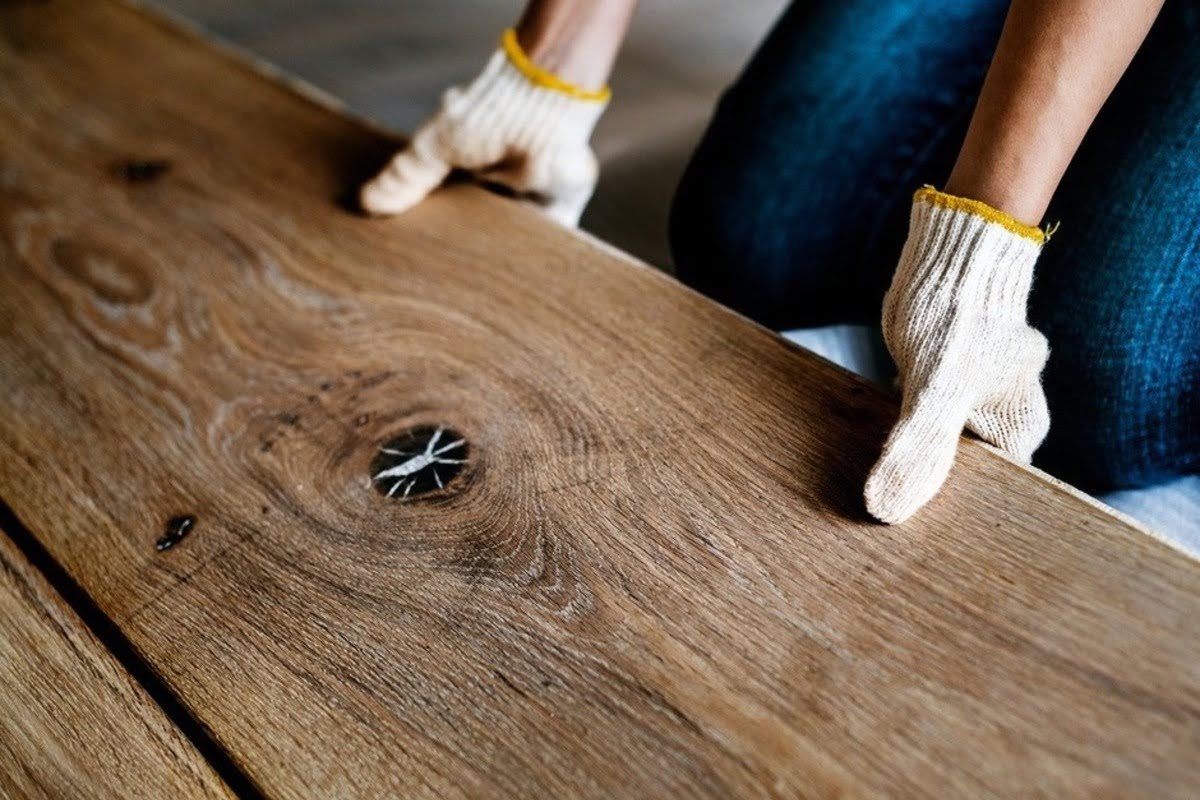
engineered hardwood vs solid hardwood

Pros of Wide Plank Floors

From our experience:

  1. Wide planks open big rooms up – the whole space feels more expensive, even if it isn’t.
  2. They give you strong grain visibility – especially with rift & quartered cuts.
  3. Fewer seams = cleaner lines and a calmer vibe.
  4. They pair nicely with longer board lengths, which makes everything look balanced.
  5. Rustic, modern, or minimalist interiors all seem to adopt wide planks naturally.

There’s also a feeling underfoot. Hard to explain if you haven’t installed them, but wide planks have this quiet, low “thud” when you walk across. The mass dampens sound in a good way.

Challenges & Moisture Considerations

Now here’s the catch – and this part surprises homeowners every single time – wide boards move more. It’s not a defect, it’s just how wood behaves when moisture changes. According to NWFA’s 2023 guidance in Hardwood Floors Magazine, wood flooring will expand and contract with changes in relative humidity, and the amount of that movement increases as the board width increases.

In the winter you might see faint gaps or shadows along seams. In the summer, maybe a touch of cupping if humidity climbs fast. Nothing dangerous – just wood reacting to the house.

So, wide planks really depend on:

  • consistent HVAC
  • controlled humidity
  • a dry subfloor
  • careful acclimation
  • sometimes choosing engineered instead of solid

I’ve had homeowners swear they want 10-inch boards… until we pull out the moisture meter and the crawlspace reads like a Florida swamp.

Installation Factors (Layout, Transitions, Subfloor)

Wide boards don’t like bad subfloors. They don’t like dips. They don’t like humps. They will show every flaw the house ever had. APA standards ask for tighter flatness tolerances on wider boards, and yeah – they mean it.

On our projects, we tell clients straight up:

  • expect more subfloor prep
  • expect a mix of adhesive + mechanical fastening
  • expect careful layout planning at transitions
  • expect longer acclimation times

The finished result is worth it, but wide planks aren’t “drop and go.” They need babysitting.

Narrow Strip Hardwood Flooring

Classic Look & Where Narrow Planks Excel

Narrow strips… well, they’re the classic. If you grew up in any home built from the 60s to the early 2000s, you stepped on 2.25-inch red oak strips almost daily. They’re simple, rhythmic, and they give rooms this subtle movement your eyes follow.

In tight rooms – hallways, smaller bedrooms, old cape-style homes – narrow strips are perfect. They elongate space. They feel familiar.

Pros of Narrow Strip Floors

This is where narrow strips still shine today:

  1. More stable seasonally – less width = less movement.
  2. Hide subfloor issues better than wide boards ever could.
  3. Fit traditional and transitional decor naturally.
  4. Cost tends to be friendlier in many species.
  5. Gapping is less noticeable in dry seasons.

And there’s this tiny crisp sound when narrow strips lock tight as they settle. Not loud. Just a soft “tick” as everything finds its place. Wide boards rarely do that.

Drawbacks & Design Limitations

But yeah, they have limits.

  1. In big rooms, narrow strips can look too busy.
  2. More seams = more visual interruption.
  3. Modern or minimalist interiors sometimes feel mismatched with narrow width.
  4. Grain clarity drops – you’re seeing slices of grain instead of the full story.

It’s not a bad thing. Just depends on the room’s vibe.

Installation Notes & Structural Stability

Narrow strips are forgiving. That’s why so many older homes still rely on them.

  • Subfloor imperfections get hidden by the small width.
  • They nail down easily.
  • Acclimation tends to be quicker.
  • Seasonal movement is muted.

On our projects, if the floor structure is old or slightly uneven, narrow strips can save thousands in prep work alone.

Narrow Strip Hardwood Flooring

Room Size, Style, and Design Considerations

How Room Dimensions Influence Plank Width Choice

Seems obvious, right? Bigger room = bigger plank. But it’s not always that linear.

Still, here’s the general pattern we see:

  • Small rooms – narrow strips stretch the space visually.
  • Large rooms – wide planks keep everything calm instead of jittery.
  • Hallways – narrow strips guide the eye forward; wide boards can feel… well, oversized.
  • Open concepts – wide boards carry the whole space like one continuous canvas.

It’s surprisingly easy to overwhelm a small guest room with big boards, and just as easy to make a big living space feel choppy with narrow ones.

Matching Width to Architectural Style (Modern, Rustic, Traditional)

Design plays a big role too.

  • Modern spaces love wide planks – clean lines, less fuss.
  • Rustic spaces love wide boards with knots and character.
  • Traditional rooms naturally lean narrow – especially red oak or maple strips.
  • Farmhouse style? Usually wide planks with matte finishes.
  • Minimalist interiors look best with wide, select-grade boards.

We sometimes point clients to engineered hardwood flooring if they want modern-but-stable 8–10 inch boards.

Mixed-Width Designs & When They Work Best

Mixed-width floors… they’re kind of the wildcard.

They look amazing in:

  • cabins
  • big family rooms
  • certain rustic or vintage designs

It adds warmth without chaos. Not many people know it’s an option until we show them a sample and they go, “Why didn’t anyone tell me this sooner?”

hardwood flooring

Durability, Stability & Environmental Factors

Seasonal Movement: Gapping, Cupping & Stability Differences

I’ll say it again because it matters – wood moves. According to NWFA guidelines, moisture swings hit wide planks harder. More face width means more seasonal expansion and contraction.

You might see:

  • little gaps in winter
  • slight cupping in humid summers
  • shadow lines when the house dries fast
  • crowning if moisture comes from below

Narrow strips hide movement better. Wide boards turn movement into a feature you’ll actually notice.

Engineered vs. Solid Options in Wide & Narrow Formats

Engineered really shines in wider formats. Its multi-layer build helps control movement.

So if someone wants 9–12 inch boards, our pros usually say something like:

“Well… engineered might save you headaches later.”

Not because solid is bad – solid is great – but engineered handles humidity swings better. Especially if you have radiant heating or live somewhere where summers feel like a sauna.

Humidity, Climate & Long-Term Performance

EPA and NWFA both say hardwood likes a consistent environment. Somewhere in the 30–50% humidity range.

Homes that go from desert-dry to tropical-wet every season will see more movement. And yeah – wide planks exaggerate that.

Typical advice we give:

  • don’t shut HVAC off for days
  • avoid extreme humidity swings
  • check subfloor moisture before install
  • fix crawlspace moisture issues early

Narrow strips just shrug more of this off.

Cost, Availability & Practical Considerations

Price Differences: Wide Plank vs Narrow Strip

Here’s the table again – I’ve added a quick note just to make it feel more “shop talk.”

Factor Wide Plank Narrow Strip
Material cost Higher Moderate
Installation cost Higher (more prep) Moderate
Subfloor prep Stricter More forgiving
Seasonal movement More visible Less visible
Grain visibility Strong Subtle
Fits small rooms Sometimes Yes
Fits open concept Yes Less ideal

Little comment from the field – wide boards often need more adhesive or longer fasteners, and that bumps cost too.

Material Availability, Species, and Grade Options

Wide planks often show up in:

  • white oak
  • walnut
  • hickory
  • character grades
  • rift & quartered cuts

Narrow strips dominate:

  • red oak
  • maple
  • classic strip floors already in older homes

Select grade tends to come in narrower widths. Character grade goes wider because wider boards show knots more naturally.

Maintenance and Long-Term Wear

Both widths need the same routine care, but visually they age differently.

  1. Scratches show more on wide boards.
  2. Narrow strips break up the scratch pattern.
  3. Wide boards show more stain variation.
  4. Narrow strips hide dents better.

If you want to dig into how to clean and care for your floors long-term, you can check out our hardwood floor maintenance guide.
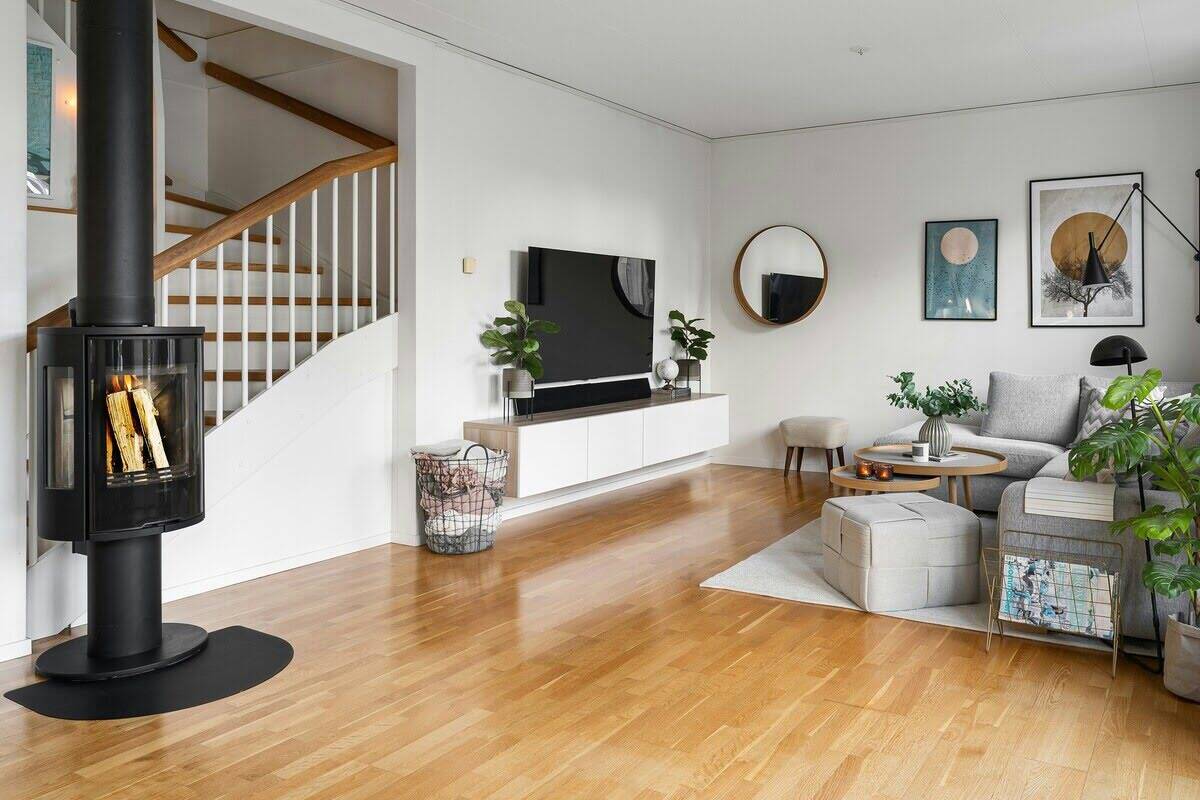
How to Choose the Right Plank Width

How to Choose the Right Plank Width for Your Home

Room Size, Budget & Functional Needs

When clients ask us “What width should I choose?”, we look at:

  • room sizes
  • ceiling height
  • lighting (natural and artificial)
  • subfloor condition
  • species availability
  • budget
  • climate
  • pets and kids
  • style goals

Sometimes the whole house can use one width. Other times, the hallway demands something different from the living room. No shame in mixing smart.

When to Consult a Flooring Specialist

Talking with someone who’s installed thousands of square feet of both widths helps. Our refinishers can walk into a room and tell you instantly whether wide boards will breathe or feel cramped.

We check:

  • moisture levels
  • subfloor flatness
  • HVAC stability
  • engineered vs solid options
  • species that suit your climate
  • what the house wants instead of what the showroom suggests

Sometimes a 5-minute visit saves months of second-guessing.

Finding the Best Fit for Your Space

Anyway… choosing between wide and narrow plank hardwood flooring isn’t about right or wrong. It’s about how you live, what your rooms demand, and what story your home is already telling. Some spaces come alive with broad, calming boards. Others feel right only when that tight strip pattern carries your eye across the floor.

And if you ever want a second set of eyes, our crews at 1 DAY® Refinishing can swing by, take moisture readings, check the subfloor, and help you picture how each width will actually feel once it settles under your feet. Hardwood is personal – and width might be the most personal choice of all.

If you’re on the fence, you can always grab a free quote from us – no pressure, just straight answers on what’ll work best in your home.

Hardwood Floor Restoration: Signs Your Floors Need Buffing or Sanding

wood refinishing

Right… so let’s start with something simple that somehow confuses almost everyone: buff and coat isn’t sanding, and sanding and refinishing sure isn’t buff and coat. Sounds obvious, but trust me, I’ve walked into plenty of homes where folks were told, “Yeah, we’ll just buff it,” when the floor had bare wood staring right back at us.

Anyway… these are the two main ways people restore hardwood, and they each have their place. A buff and coat is like giving the floor a new topcoat – a fresh shield – without grinding off the old finish. Sanding and refinishing is the full reset. We go down to raw wood, fix damage, change color if you want, and rebuild the finish system.

From our experience at 1 DAY® Refinishing, choosing between the two usually comes down to three things:

  • what the floor looks like up close (not from across the room)
  • what’s hiding on the finish (wax, polish, oil soaps, those “restore” products)
  • whether you want a different color or just want the floor to look alive again

Floors don’t lie. They’ll show you exactly what they need once the light hits at the right angle. And once you learn to “read” them – those dull lanes, shiny patches, deep scratches – the right method becomes pretty clear.

Let’s dig into buff and coat first, because that’s the one most homeowners cross their fingers for.

Buff and Coat: What & Why

Why a Buff and Coat Is a Good Option

Well… most folks want a buff and coat because it’s fast, clean, and doesn’t turn their home into a sanding zone. You keep your color, you keep your floor intact, and you get rid of that dull, tired look that starts creeping into high-traffic spots.

On our projects, buff and coat is the go-to when a floor looks worn out but is still structurally fine. Light scratches, scuffs, and that cloudy vibe in walkways – the buffer takes care of that. To be honest, it’s surprising how much a floor wakes up once we abrade the top layer and lay down fresh water-based poly. There’s this clean, crisp smell when the finish hits the air – it always tells me the coat is leveling right.

When a Buff and Coat Should Be Done

Ideally, a buff and coat is done every 3–5 years. Think of it like a tune-up – you’re reinforcing the topcoat before it wears too thin. Once the finish erodes down to bare wood, buffing won’t bring it back.

We tell homeowners: the moment you see dullness, don’t wait. That greyish “flat lane” look? That’s the floor whispering for help.

Wood Floor Buff and Coat

Are All Floors Good Candidates for a Buff and Coat?

Short answer – no. And this is where people get frustrated, because they’re hoping for the quick fix.

A floor is a good candidate when:

  1. the existing finish is intact
  2. there’s no bare wood
  3. there’s no wax or polish contamination
  4. scratches are surface-level
  5. you’re okay keeping the same color
  6. the finish still has adhesion integrity

Engineered floors actually love buff and coats. Even the ones with thin veneer that we can’t sand safely — buff and coat keeps them going for years.

But the deal-breaker? Contamination. Wax or polish hides in the pores of the finish. You might not smell it or see it, but the buffer feels it – the floor drags a little differently. And that’s when we know it’s game over for a buff and coat.

When Floor Products or Conditions Make Buff and Coat Impossible

Here’s the catch – and yeah, this surprises people every single week.

If the floor has:

  • wax contamination
  • acrylic polish buildup (“restore” products)
  • oil soap residue
  • silicone
  • mop-and-shine layers

…a buff and coat simply won’t bond. You can screen it, vacuum it, pray over it – won’t matter. The finish will peel. And it usually peels right where you walk the most, so it’s impossible to ignore.

We run adhesion tests before every buff and coat. If the tape test fails, that’s it. Straight to sanding.

You know… wax is sneaky. Looks clean. Smells clean. But the moment the buffer hits it, you feel the slip. Our pros can tell instantly.

Signs You Need a Buff and Coat

Light Wear, Dullness, and Minor Scratches

So… you walk into your living room one morning, and the floor just looks tired. Not ruined – just dull. That’s usually the first sign.

Those cloudy footpaths, the tiny scratches from kids or a dog running around, the finish that no longer reflects light evenly – that’s exactly what buff and coat is designed to fix. The buffer makes this soft hum as it cuts through the old finish, and the floor feels almost powdery right after screening. Once the new coat hits, it smooths right back out.

Floors That Haven’t Been Contaminated by Wax or Polish

This is huge. If the floor cleans evenly, dries evenly, and doesn’t show streaky patches, you’re probably safe.

Wax contamination often shows up as slippery patches or dull smears that don’t buff out. Polish contamination looks plastic-y or too shiny in weird spots. Oil soap residue sits deeper; you feel it more than you see it – like the buffer suddenly skates.

Anyway, if none of that is happening, there’s a good chance a buff and coat will work beautifully.

When a Buff and Coat Is Possible vs. When It Isn’t

Here’s a quick snapshot – something we show clients all the time:

Is Your Floor a Candidate?

Floor Condition Recommended Method
Light surface wear Buff & Coat
Dull finish, minor scratches Buff & Coat
Contamination from wax/polish Sand & Refinish
Deep gouges, pet stains, color damage Sand & Refinish
UV fading Sand & Refinish
Bare wood showing Sand & Refinish
You want a different color Sand & Refinish
Floor cupping/crowning Sand & Refinish

If you’re seeing bare wood or heavy staining, buff and coat is like putting fresh paint over a crack – looks good for a minute, then falls apart.

Buff and Coat Process Explained

Step-by-Step: How We Buff and Coat Hardwood Floors

Right… so let me walk you through how we actually do this on real job sites. Nothing fancy – just the honest workflow our refinishers follow.

1. Deep clean and residue removal

We start with a proper clean. Not the “mop and hope” approach – I mean neutral cleaners that don’t leave anything behind. If the floor feels slick or strange under the mop, we run an adhesion test right there. If it fails… well, that tells us everything we need to know.

2. Screening (abrasion)

This is where the buffer comes in. You’ll hear a soft, even hum when it’s grabbing the finish properly. If you’ve ever run your hand across the floor right after screening, it feels slightly gritty – almost like a matte texture.

3. Vacuum and tack

HEPA vacuums get the fine stuff, and then we run microfiber tacks until the cloth comes off clean. Dust is the enemy of a smooth coat.

4. Apply new finish

Most homeowners choose water-based polyurethane now. Honestly, I don’t blame them – low odor, dries fast, looks clean. When we open the jug, there’s this faint, crisp smell. Not strong, just enough to know it’s fresh.

5. Dry and cure

Floors are usually walkable in a few hours. Full cure takes longer – sometimes a week – but day-to-day living can resume pretty quickly.

On a good buff and coat day, the change feels instant. Floors look brighter, smoother, more alive. Our past clients always say the same thing: “I didn’t realize it looked that bad before.”

Recoating vs. Refinishing Hardwood Floors

Limitations: What Buff and Coat Can’t Fix

Here’s the honest bit – buff and coat has limits. And folks sometimes expect miracles from it.

It won’t fix:

  • deep scratches you can catch with a nail
  • pet stains that have soaked in
  • water stains
  • UV fading
  • bare wood
  • color inconsistency
  • cupping or crowning
  • heavy traffic grooves

If you try to buff and coat over bare wood, the finish just sinks in weird and looks patchy. And UV fading? Screening won’t even touch it.

To be honest, buff and coat shines when you use it before things get bad. Once you’re past a certain point, sanding is the only clean fix.

Expected Durability and How Long It Lasts

A good maintenance coat lasts around 3–5 years. Homes with big dogs, busy families, or shoes-on habits… maybe lean closer to the 2–3 year side.

Based on what we see every week, a strong topcoat keeps the wood protected for much longer. But the moment the finish wears through, the floor starts aging quick – kind of like metal rusting once the paint’s gone.

Anyway, the rule of thumb is simple: if the finish still reflects light evenly, you’re in the “saveable” zone. Once it goes dull and grey, act sooner rather than later.

Sand and Refinish: The Basics

Now… sanding. The big one. Nobody wakes up excited to hear their floors need a full sand and refinish, but sometimes it’s the right call – the only call, actually.

A full refinish takes everything down to bare wood. That’s where we fix deep scratches, pet stains, discoloration, uneven sheen, UV issues – the whole deal. Think of it like peeling an orange: you remove the outer layer and get to the fresh part underneath.

Sanding Hardwood Floors in Vancouver Area

Why Not Just Buff and Coat Instead?

You’d be shocked how many people try to talk themselves into a buff and coat. I get it – it’s cheaper, cleaner, faster. But wax, polish, silicone, oil soap… these things kill adhesion faster than anything.

We’ve had floors that looked perfect from afar, but the moment our refinishers ran the buffer across, it slid like it was on ice. That’s wax hiding under the surface. Acrylic polishes do the opposite – they’re sticky and soft. When you screen them, they gum up and smear.

And those deep scratches? The ones you feel with your fingernail? Buffing won’t touch them. Light abrasion doesn’t remove depth; it just flattens sheen.

Why You Should Choose Sanding and Refinishing

You go with sanding when:

  • the finish has failed
  • the floor has bare wood showing
  • you want to change the color
  • the surface looks uneven
  • there are pet stains or water spots
  • UV fading has turned areas dull or orange
  • polishing products have built up

Sanding is the great equalizer. Once we hit raw wood, we get a blank canvas. You can go natural, choose a new stain, go darker, or brighten everything up.

When Your Floors Need a Full Sand and Finish

If you’re seeing deep gouges – the kind where dirt packs in – sanding’s the only fix. Same with pet stains. If the stain is dark, it’s penetrated the fibers. Buffing won’t even touch that.

Other sanding triggers:

  • cupping or crowning
  • boards that feel uneven
  • finish peeling or flaking
  • serious color damage
  • large patches of bare wood

Engineered floors can sometimes take a refinish too, as long as the veneer is thick enough. We always measure first.

Deep Damage, Color Change, and Full Restoration Needs

Here’s the part where people sometimes feel torn – the floor “looks okay” until you get close. But the moment sunlight comes in sideways, all the scratches, grooves, and color issues show up. Buff and coat makes floors look better. Sanding makes floors look new. That’s the real difference.

And color change? Buffing can’t do anything there. Sanding lets you go from red oak that looks dated to a modern grey, neutral brown, or natural tone. That’s why people choose it.

Full Sand and Refinish Process

Step-by-Step: How Sanding and Refinishing Works

If you want the full deep-dive, we’ve laid out the entire process in our complete sanding and refinishing guide – but here’s the quick walk-through the way our crews usually handle it.

  1. Prep and dust containment: Plastic sheeting up. HVAC vents covered. We set airflow so dust moves outward or downward. Dustless sanding systems take care of most airborne dust. Not all, but almost all.
  2. Rough sanding (36–60 grit): This is where you hear that deep, controlled rumble. The sander pulls forward, then glides back. We remove old finish and level problem areas. Freshly sanded wood feels warm and a little soft – almost velvety.
  3. Medium sanding (80 grit): This removes the scratch marks from the rough pass.
  4. Fine sanding (100–120 grit): Now the surface looks uniform. Under bright light, you don’t see swirl marks anymore.
  5. Edging and corners: The edger has a higher-pitched whine. Corners need hand-scraping – slow but necessary.
  6. Vacuum and tack: Multiple rounds. Fine dust hides everywhere.
  7. Stain application (optional): If you’re going for a color change, this is where the magic happens. Oil-based stains deepen the grain – you can literally watch the wood darken as it absorbs.
  8. Finish application: Most homeowners choose water-based polyurethane. It smells clean and mild, and it dries quick. Oil-based poly has that warm amber glow – beautiful but slower.

Benefits of a Full Refinish

A complete sand lets us fix just about everything:

  • deep scratches
  • pet stains
  • discoloration
  • uneven sheen
  • UV fading
  • cupping (mild cases)
  • worn finish

You walk back into the room afterwards and it feels like a new space. We see it all the time – people run their hand over the floor like they’re touching it for the first time. A good sand and refinish typically lasts 7–10 years depending on traffic and finish type.

how to refinish hardwood floors

Dust, Noise, Timeline, and Other Considerations

Dustless sanding helps a ton, but sanding is still a louder, more involved job. The drum sander hums low. The edger bites a bit. None of it is unbearable, but it’s noticeable.

Timeline is usually:

  • 2–4 days for sanding and finishing
  • a week before rugs go back
  • 24 hours before normal walking

The EPA recommends keeping steady ventilation and bringing in fresh air during projects like refinishing to help reduce indoor VOC levels. We follow that guidance along with NWFA timelines for drying and curing.

Buff and Coat vs. Sand and Refinish

Alright… here’s where homeowners usually pause and say, “Okay, just tell me which one I need.” And honestly, after seeing thousands of floors, the answer is pretty predictable once you know what you’re looking at.

When Buff and Coat Is the Right Choice

Buff and coat is the right move when things are still “fixable” at the surface level. If your floor is basically saying, “Hey, I’m tired, but I’m not falling apart,” this is the sweet spot.

Choose buff and coat when:

  • the finish is dull but not broken
  • scratches are shallow
  • color is fine
  • you want low dust and quick turnaround
  • the floor passes an adhesion test
  • there’s no wax, polish, or oil soap hiding on the surface
  • you want to maintain longevity without a full overhaul

It’s pretty much the easiest way to keep wood floors looking good without going into renovation mode. Our refinishers see a ton of homes where the only mistake was waiting too long. Catch it early, and buff and coat is a simple win.

Sanding Marks On Hardwood Floor

When Sanding and Refinishing Is Required

Now… sanding is the “big fix.” If the floor is past a certain point, no matter how much you wish buff and coat could work, it just won’t.

Choose sanding and refinishing when:

  • you can see bare wood
  • scratches catch your fingernail
  • there are pet stains
  • boards are faded from sun
  • finish is peeling or flaking
  • the floor has contamination
  • you want a different stain color
  • the surface has uneven texture

We’ve had jobs where a homeowner swore it was just dullness… then the buffer hit the floor and slid like it was on waxed marble. That’s when you know sanding is the only reasonable path.

Cost, Durability, Appearance, and Lifespan Comparison

Right… here’s the part everyone screenshotted the moment we typed it the first time. This table keeps things simple.

Buff & Coat vs Sand & Refinish — Practical Comparison

Category Buff & Coat Sand & Refinish
Typical Cost Lower Higher
Dust Very low Moderate (dustless minimizes)
Noise Minimal Noticeable
Timeline 1 day 2–4 days
Color Change No Yes
Repairs Deep Damage No Yes
Removes Stains No Yes
Lifespan 3–5 years 7–10 years
Best For Light wear Full restoration needs

Let me add a small side note here: the “Best For” row is the one that saves people headaches. Buff and coat is maintenance. Sanding is restoration. Once you understand that, the choice gets a lot clearer.

Preparing Your Home for Either Process

We try to keep prep simple because, let’s be honest, nobody loves moving furniture.

For buff and coat:

  • move furniture out of the room (or we help, depending on the job)
  • plan for light traffic in a few hours
  • keep pets out during drying
  • leave rugs off for about a week
  • keep HVAC steady

For sanding and refinishing:

  • move all furniture
  • expect more moving pieces and some noise
  • plan to stay out of the space until coats dry
  • keep ventilation consistent ( EPA IAQ guidelines help here)
  • wait 7 days before rugs go down
  • think ahead about traffic paths

Some homeowners choose to be out of the home for part of the sanding stage. Others stay in the unaffected rooms. Either works – we just help coordinate a schedule that makes sense.

Discuss Your Options with a Flooring Expert

So… here’s the real talk. Every floor tells a story. Some are just lightly worn and begging for a maintenance coat. Others are, well, too far gone and need the full sand and refinish treatment. Neither option is “bad” – they’re just different tools for different situations. A buff and coat is like giving your floor a new jacket. A sand and refinish is rebuilding the whole thing from scratch. And once you know which one fits your floors, the rest becomes a pretty straightforward plan.

If you’re on the fence – or just not sure what’s on the floor and whether there’s wax or polish hiding under the surface – reach out to us at 1 DAY® Refinishing. We’re doing buff & coats and full sand & refinish projects every week. Our pros can stop by, take a look, and talk you through what actually makes sense for your home, not just what sounds good on paper. Sometimes a quick refresh is all you need. Sometimes the floor needs a reset. Either way, you’ll get honest guidance, real options, and a clear path forward.

Hardwood Flooring: A Timeless and Elegant Choice for Your Home

Hardwood Floor Installation

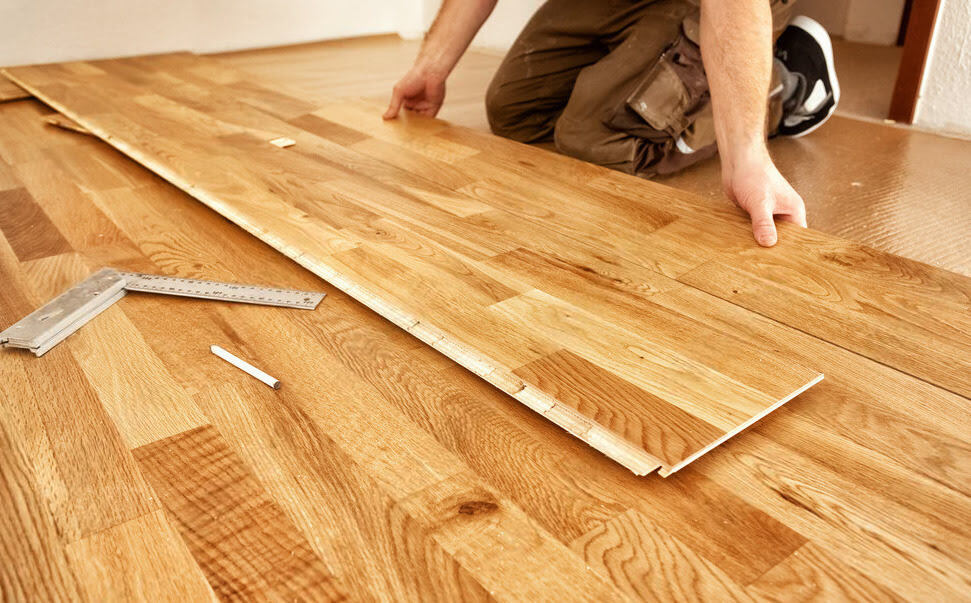
Hardwood installation isn’t just dropping boards on the floor and hoping they behave. It’s prep work first – subfloor checks, leveling, moisture testing, acclimating the planks – and then choosing the right installation method: nail-down, glue-down, or a floating click-lock system. Each one has its own rhythm and cost range. Nail-down feels the most traditional, glue-down gives a quieter and firmer step, and floating installs are the most DIY-friendly. Most homeowners end up somewhere between $7–$12 per sq ft installed, depending on method and materials, but the real difference comes from the prep. That’s what decides whether your floor feels tight underfoot or starts clicking and shifting a month later.

Anyway… most folks want to know if this is something they can handle themselves. If you’re decent with a saw, patient enough to follow layout lines, and not afraid of kneeling for a few hours, DIY can work – especially with floating floors. Nail-down and glue-down? Those take a steadier hand and better tools, and that’s usually where our installers get called in. On our projects at 1 DAY® Refinishing, we follow the same flow every time: prep the subfloor, plan the layout, leave proper expansion gaps, and lock in rows clean and straight. It isn’t complicated, it’s just… precise.

So, here’s the full walk-through – the same process we use on real jobs, start to finish.

Tools and Materials Needed

Essential Tools

Here’s what our crews bring to almost every hardwood install:

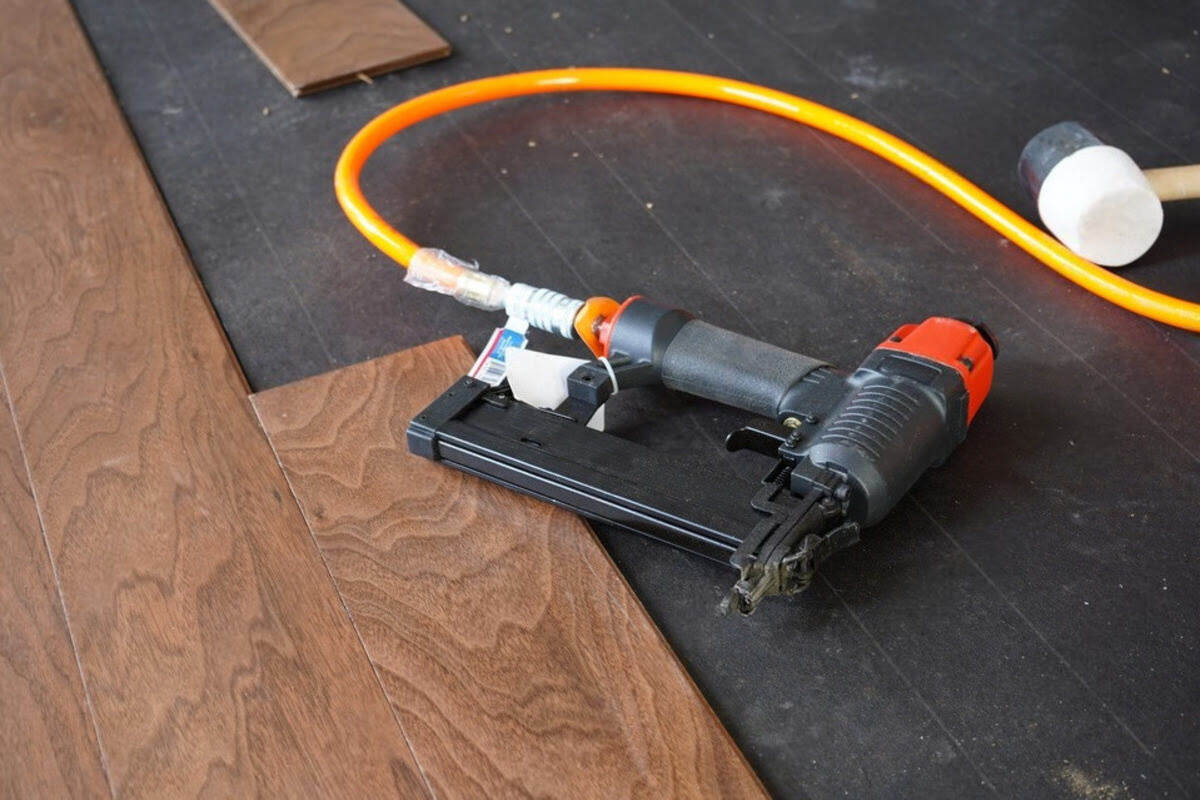
  • Flooring nailer or stapler (for nail-down installs)
  • Finish nailer (for first/last rows and trim)
  • Miter saw, jigsaw, and oscillating multi-tool
  • Tapping block and pull bar
  • Chalk line, spacers, and measuring tape
  • Level or straightedge
  • Moisture meter for wood and subfloor checks
  • 75–100 lb floor roller (for glue-down installs)
  • Shop vacuum

You’ll hear all of this long before you see it - that sharp whine of a saw, the solid thunk from a flooring nailer when it’s seated right. A lot of DIY kits skip the pull bar or a proper tapping block - don’t do that to yourself. Folks end up hammering on the boards, blowing out tongues, and then the planks never lock cleanly again.

Site Finished Hardwood Floors

Materials & Underlayment

Depending on your installation method, you’ll need:

  • Solid hardwood planks or engineered hardwood flooring
  • Underlayment: foam/cork for floating, felt/rosin paper for nail-down
  • Vapor retarder sheet (over plywood or concrete, where required)
  • Wood flooring adhesive (for glue-down installs)
  • Adhesive trowel (correct notch size for that adhesive)
  • Transition strips (reducers, T-molds, stair nose)
  • Baseboards, shoe moulding, or quarter-round

Underlayment looks thin and unimpressive, but you feel it right away under bare feet. Foam and cork give a softer, slightly cushioned step; felt feels firmer and a bit “quieter.” When you kneel on it, that soft crunch under your knees tells you it’s there doing its job.

Safety Gear

Not glamorous gear, but you really do need:

  • Knee pads
  • Work gloves
  • Eye and ear protection
  • Dust mask or respirator

Fresh-cut oak has this sharp, almost sweet smell when the saw warms up, and the dust hangs in the air if you’re not pulling it out with a vac. You don’t want that in your lungs all day. Our pros throw on respirators as a habit at this point - you forget they’re there after a few minutes.

Preparation & Planning

Remove Existing Flooring & Baseboards

Start by pulling up whatever’s there: carpet, vinyl, laminate, old hardwood. Scrape off adhesives, pop out tack strips, nails, and staples. Take off baseboards or quarter-round so you can reinstall them cleanly once the new floor is down. On our projects, our refinishers vacuum the subfloor at least twice; you’d be surprised how one leftover staple or a clump of adhesive can turn into a little bump you feel every time you walk across it.

Inspect and Prepare the Subfloor

Check for:

  1. Flatness within 3/16" over 10 ft (per NWFA guidelines)
  2. Loose OSB or plywood panels (screw them down)
  3. Squeaks (tighten with flooring screws into joists)
  4. High spots (grind or sand them down)
  5. Low spots (patch or level them out)

Seems simple? Well… not exactly. This is where installs are made or broken. If the subfloor flexes when you walk or waves like a slow roll, the hardwood will follow that shape. You can feel that tiny bounce under your feet when something isn’t tight - and once the boards are down, fixing it is a lot harder.

Moisture Testing & Humidity Requirements

Hardwood likes steady conditions. Rooms should stay within a stable 30–50% relative humidity, and the flooring’s moisture content should be close to the subfloor before installation. Keeping both within the same range helps prevent cupping, gaps, and seasonal movement.

Use a moisture meter on:

  • The subfloor (plywood, OSB, or concrete)
  • Several boards pulled randomly from your flooring boxes

If you’re installing over concrete, you’re not just checking the top - you’re checking how much moisture is moving through the slab. If readings are high, you need a proper vapor retarder or a glue-down system that’s rated for that situation. Skipping this step is how you get cupping, hollow spots, and those “mystery” issues a few months later.

Acclimate Your Hardwood Flooring

Most solid hardwood needs 3–5 days to acclimate; some engineered products need less, but you still shouldn’t rush it. Open the boxes, cross-stack the planks, and let them breathe in the actual room. You want the boards and subfloor to “meet in the middle” moisture-wise. If the wood goes in way too dry, it may suck up humidity and swell. Too wet, and it shrinks later and leaves gaps. You won’t see it on day one, but you’ll notice once seasons change.

Unfinished Wood Flooring

Plan Your Layout & Expansion Gaps

Choose your starting wall - usually the longest and straightest side of the room that your eye hits first. Snap a chalk line so you don’t have to trust the drywall. Think through:

  • Expansion gaps all the way around the perimeter and at fixed objects
  • Staggered end joints (no obvious stair-step pattern)
  • Board direction (typically perpendicular to floor joists)
  • Doorway transitions and where flooring changes type or height
  • Last-row width (you don’t want to end up ripping a row down to pencil width)

When our installers “rack out” boards - laying them loosely first - we’re not just playing with puzzle pieces. You’re checking color mix, lengths, and making sure you don’t get all your short boards in one corner. It also helps you spot tricky cuts ahead of time.

Choose Your Installation Method

– Nail-Down Hardwood Installation

Best for ¾" solid hardwood over plywood or OSB. You get that firm, classic feel with very little movement underfoot. You’ll hear a clean, solid tap when it’s done right - no hollow echo.

– Glue-Down Hardwood Installation

We use glue-down:

  • Over concrete
  • With many types of engineered planks
  • When someone wants less floor deflection and a quieter sound

Glue-down installs feel a bit slower. The adhesive is tacky and deliberate - you don’t rush it. It has an open time, and once it skins over, it doesn’t really want to bond. That’s when you get those hollow spots we all hate hearing.

– Floating / Click-Lock Installation

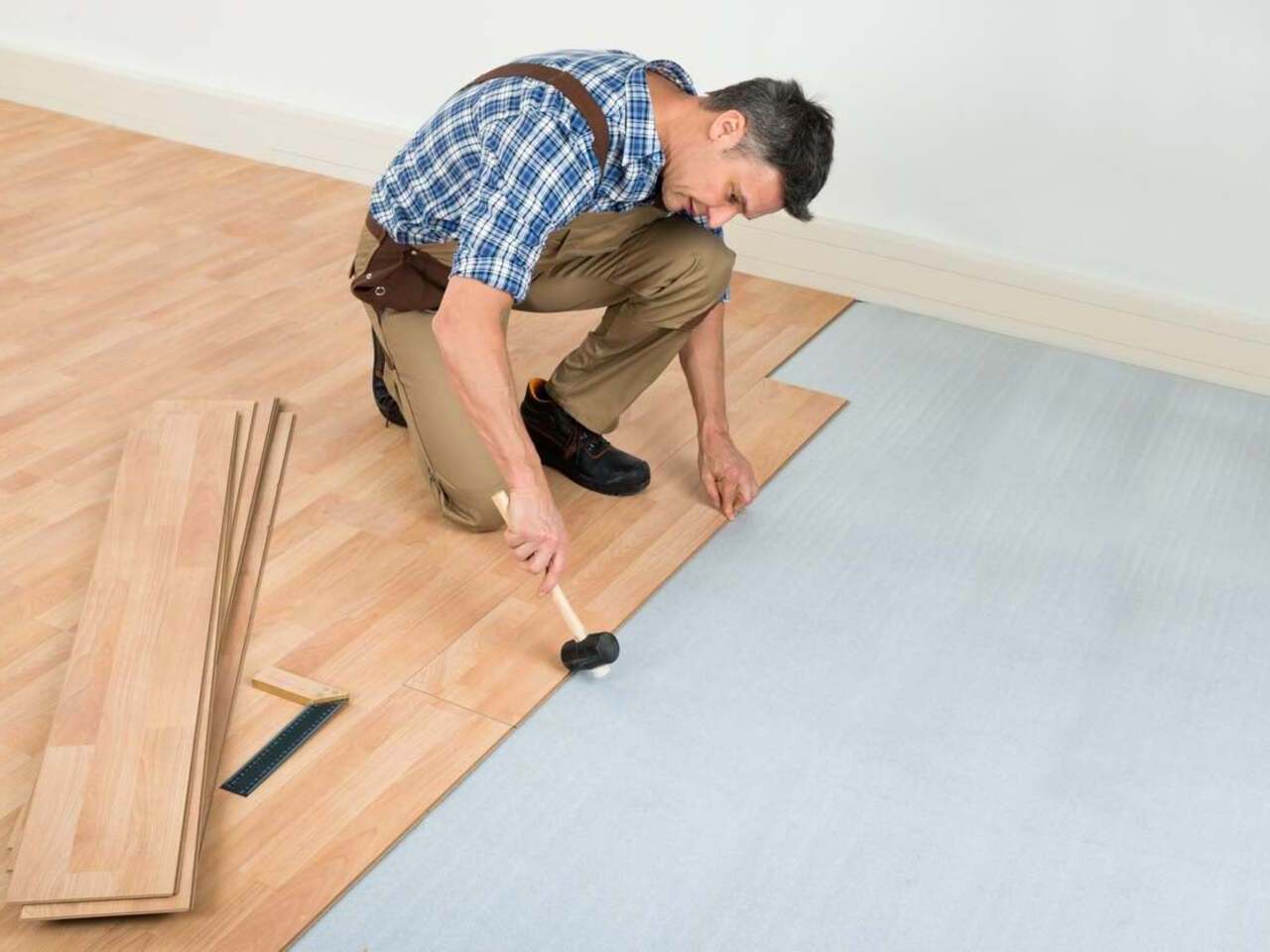
Floating click-lock systems are where a lot of DIY folks feel comfortable. Boards lock to each other, not the subfloor. Great choice for basements and certain remodels, as long as the product is rated for those conditions and your subfloor is flat.

Comparison Table – Installation Methods

Method Skill Level Subfloor Compatibility Notes
Nail-Down Medium–High Plywood/OSB Classic, solid feel
Glue-Down High Concrete or plywood Strong bond, quiet
Floating Easy Most flat surfaces Fast install, DIY-friendly

Step-by-Step Installation Instructions (By Method)

1. Nail-Down Installation

Step 1 – Prepare the Area

Vacuum the subfloor so you’re not trapping debris. Lay felt or rosin paper as a slip sheet. Snap your starting line. Set spacers at the walls and around posts so your expansion gap stays consistent. You’ll hear that underlayment crunch a little under your knees as you move along the first row.

Step 2 – Install the First Row

Face-nail the first row through the top near the wall (those nails will hide behind trim later). Take your time here - the first row has to be dead straight. Every row after this wants to follow it. If the first row drifts, you’ll fight that curve all the way across the room.

Step 3 – Use a Flooring Nailer

Once you’re on row two or three, switch to blind nailing through the tongue with a flooring nailer or stapler. Seat the tool firmly - you want a clean, strong hit without crushing the tongue. Aim too high and you split wood; too low and the fastener shows.

Step 4 – Stagger & Lock Boards

Mix board lengths as you go. Stagger end joints by 6–8" so you don’t get weak spots or repetitive patterns. Tap boards together with a tapping block, not directly with a hammer. A pull bar helps pull that last inch tight near the wall. When everything lines up and those seams disappear, it’s weirdly satisfying.

Step 5 – Install Final Rows

For the last couple of rows, the flooring nailer usually won’t fit, so you go back to a finish nailer and hand nailing through the tongue or face if needed. Tight areas around vents and corners are where most DIYers slow down. Fresh-cut pieces may feel slightly warm off the saw, and you’re shaving millimeters to get a snug fit without forcing anything.

Step 6 – Add Transition Pieces

Attach reducers, T-molds, or stair nosing at doorways and where hardwood meets tile, vinyl, or carpet. These must be anchored well and sit level with both surfaces. If they’re even a little proud or loose, you’ll feel it every time you step over them.

Nail-Down Installation

2. Glue-Down Installation

Step 1 – Prepare Subfloor & Spread Adhesive

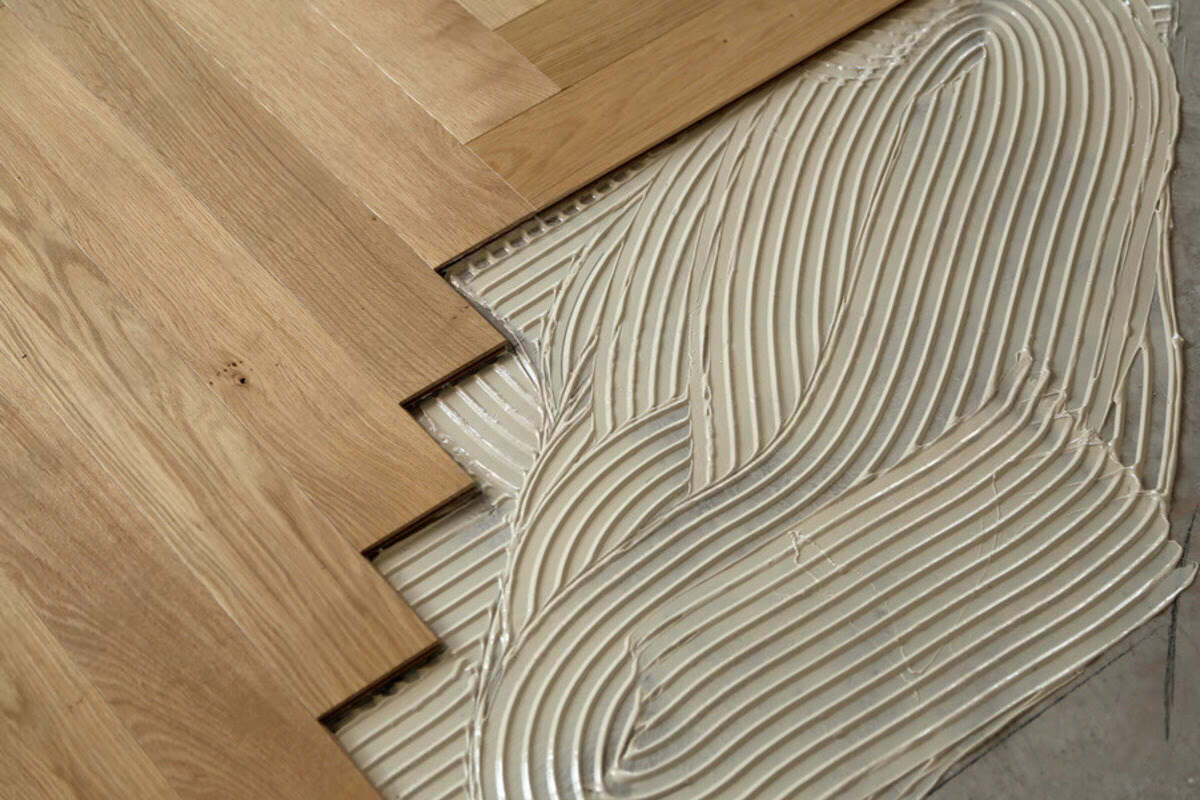
For glue-down, the subfloor has to be flat, clean, and dry. No dust piles, no old glue ridges. Spread adhesive with the manufacturer-approved trowel notch. Only spread as much as you can cover in maybe 20–30 minutes - you’ll feel it getting tackier as time passes, and that’s your cue to move.

Step 2 – Lay and Lock Boards

Press each board firmly into the adhesive bed. You should feel a little resistance as it settles. Keep your chalk line visible and don’t bury it too early. Wipe up glue squeeze-out immediately - once it cures on the surface, removal gets annoying fast.

Step 3 – Roll the Floor for Bonding

Use a 75–100 lb roller to go over the floor, section by section. This pushes boards into the adhesive ridges and squeezes out voids. Roll it again after a bit if the instructions recommend it. When you tap the floor and it sounds dense and solid instead of hollow, you know it bonded well.

Step 4 – Install Final Rows & Transitions

Final rows in glue-down installs work a lot like nail-down, just without the fasteners. A pull bar is your best friend here. Once the boards have set enough that they don’t slide under your feet, install T-molds and reducers to lock the edges and transition to other floors.

Glue-Down Installation

3. Floating / Click-Lock Installation

Step 1 – Install Underlayment

Roll out foam or cork underlayment over the subfloor. Butt the seams together - don’t overlap them - and tape joints if the manufacturer calls for it. As you crawl, you’ll notice that little cushion under your knees, which is one perk of floating systems.

Step 2 – Fit and Click Planks Together

Angle the tongue into the groove, lift slightly, then drop and click. When it’s right, you get that tight, crisp “click” sound and the seam disappears. If you’re fighting it, something’s out of alignment. Don’t force it - back up, check for debris, try again.

Step 3 – Cut Boards Around Obstacles

Use a jigsaw or oscillating tool around door jambs, vents, and odd angles. Undercut door frames so the planks slide underneath instead of stopping short with a little notch. Doorways are where most folks mutter a few words they probably shouldn’t - it’s normal.

Step 4 – Finish Final Rows & Transitions

Tap the last rows together with a pull bar. Keep your expansion gap. Install transitions and check seams with your hand - you’re feeling for any proud edges or lippage before you call it done.

Click-Lock Installation

Working Around Obstacles

  • Doorways and Trim
    Doorways are one of the trickiest spots on any install. Undercutting jambs lets the boards slide under and look like they’ve always been there. For metal frames or awkward thresholds, take careful measurements and sneak up on the cut instead of trying to nail it in one pass.
  • Vents, Angles & Irregular Spaces
    When angles feel confusing, grab a scrap piece or cardboard and make a template. It saves good boards from “almost right” cuts. Around vents, cut clean rectangles and, if you like, swap in flush-mount vent covers so the whole area looks seamless.
  • Tight Areas and Last Rows
    The last row is where patience really shows. Measure both ends of the board because walls are almost never perfectly straight. Rip your boards slowly and support them well at the saw so they don’t splinter. When that last piece slides in snug with a tiny gap for expansion, it feels like closing the lid on the job.

Finishing Touches

  1. Install Baseboards and Shoe Moulding
    Reinstall your trim to cover the expansion gap all the way around the room. If the wall bows a little, shoe moulding hides those tiny sins. Our crews use a finish nailer and then run a small bead of caulk along the top edge where trim meets wall for a clean line.
  2. Fill Nail Holes & Touch-Ups
    Touch up face nails on the first and last rows. Use wood filler that’s close to your floor color and wipe it gently with a damp cloth so it blends instead of sitting as a hard dot on the surface. If you see any scuffs from tools, now’s the moment to touch them up.
  3. Final Cleanup
    Vacuum the floor, including along edges and vents. Wipe down planks with a slightly damp microfiber or manufacturer-recommended cleaner. Don’t wet-mop yet - give everything time to settle, especially if there’s fresh adhesive curing underneath.

After Installation: Care & First 72 Hours

What to Avoid Immediately After Installation

For the first day or two:

  • No heavy furniture dragging
  • No rolling loads (office chairs, dollies)
  • No wet mopping
  • Avoid covering floors completely with plastic

The boards and any adhesive still need time to settle and get comfortable. Blocking airflow or loading the surface too early can cause issues you won’t see right away.

Initial Cleaning & Protection

Start with a dry microfiber sweep to grab the fine dust from cutting. Put felt pads under chair and table legs before they move back in. If you’re adding area rugs, wait a couple of days so finishes and adhesives can stabilize. Think “gentle use” instead of “move-in day chaos” for the first 72 hours.

Early Maintenance Recommendations

Keep humidity steady. According to the EPA’s indoor air quality guidance, hardwood performs best when your home stays within a stable seasonal humidity range instead of swinging wildly up and down. Use your HVAC system the way you normally would – don’t shut it off for long stretches, and try to keep the environment consistent day to day.

For long-term care tips, see our hardwood floor maintenance guide. It covers the cleaning products, habits, and little things that help floors still look good ten years out.

Site Finished Hardwood Floor Iinstallation

Troubleshooting Common Hardwood Installation Problems

Gaps Between Boards

Gaps usually come from:

  • Poor acclimation
  • Subfloor dips
  • Seasonal humidity swings

Tiny hairline gaps can close when humidity goes up. Wider ones often stay and may call for board replacement or targeted repairs. When we see this on service calls, we usually trace it back to moisture or prep, not the boards themselves.

Squeaking Floors

Squeaks can come from loose subfloor panels, missing or undersized fasteners, or joist movement under the whole assembly. Sometimes it’s simply boards rubbing because the expansion gap was too tight around walls or posts. If you hear that sharp little squeal every step, something’s moving that shouldn’t.

Uneven Boards or Lippage

This shows up when:

  • The subfloor wasn’t flat
  • Tongues or grooves were damaged
  • Adhesive was too thick, too thin, or inconsistent

Minor lippage might be addressed later during hardwood floor refinishing, depending on the product and thickness. More severe cases often need specific boards pulled and replaced.

Adhesive Issues (Glue-Down Installs)

If you hear hollow spots when you tap the floor:

  • The adhesive may have skinned over before boards went down
  • There may not have been enough adhesive ridges under that area
  • The floor might not have been rolled properly

Spot repairs are sometimes possible with syringes or injection glues, but not every hollow spot can be fixed invisibly. That’s why our installers are picky about coverage and rolling from the start.

Conclusion

Hardwood installation isn’t rocket science, but it is real, hands-and-knees work. When prep is solid - flat subfloor, clean layout lines, boards acclimated right - the floor almost “wants” to go together. I’ve watched homeowners knock out a room over a weekend, nervous cutting that first board, then grinning every time they walk across the new floor.

If you’d rather skip the learning curve, the dust in your hair, and the stress of getting it wrong, calling a pro is usually the calmer route. Our crews at 1 DAY® Refinishing do this every week, and we treat each home like it’s our own. If you’re not sure where to start, we can swing by, look at the space, and give you a free on-site quote. No pressure – just honest feedback about what the job really needs.

What Are Hardwood Floor Stains and Why They Matter

Staining Your Hardwood Floors and Choosing the Right Stain

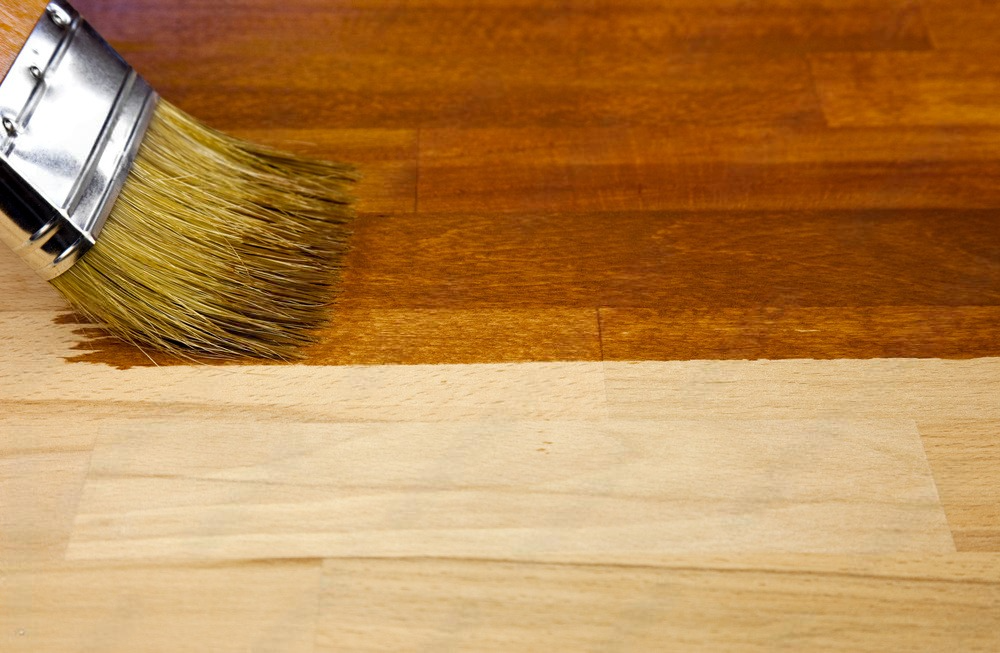
Hardwood floor stains are the colorants that soak into the wood grain and shape how the floor looks and feels. You use stain when the natural wood is too red, too yellow, too dull, or simply doesn’t fit your style. Light tones brighten, medium browns stay classic, dark espresso adds depth, and grey or greige create a modern, calm vibe.

Stain helps you make a noticeable change without replacing the floor. It evens out mismatched boards, modernizes older finishes, tones down red oak’s warmth, and refreshes solid hardwood and most engineered hardwood flooring. Application is usually straightforward – wipe on, wipe off – though the final look still depends on the wood, lighting, and the protective finish you put on top. Oil-based stains feel warm and slow, water-based stains feel thin and quick, gel stains sit more on the surface, and penetrating oils soak in with that soft, natural vibe. Each type reacts a little differently once it touches real wood.

After 15+ years of doing this at 1 DAY® Refinishing, I’d say stain is less about “painting the floor” and more about guiding the wood into the look you want. You crack open the can, get that faint smoky smell from the pigments, and the grain starts showing its personality the moment stain hits it. That’s where the process really starts.

Now let’s talk about how stains work and how to pick the right one for your home.

How Stains Work on Wood

Stains soak into pores. That’s the basic science. According to the USDA Wood Handbook , absorption depends on grain structure, density, and tannin content. But reading about it and watching it happen are two different things.

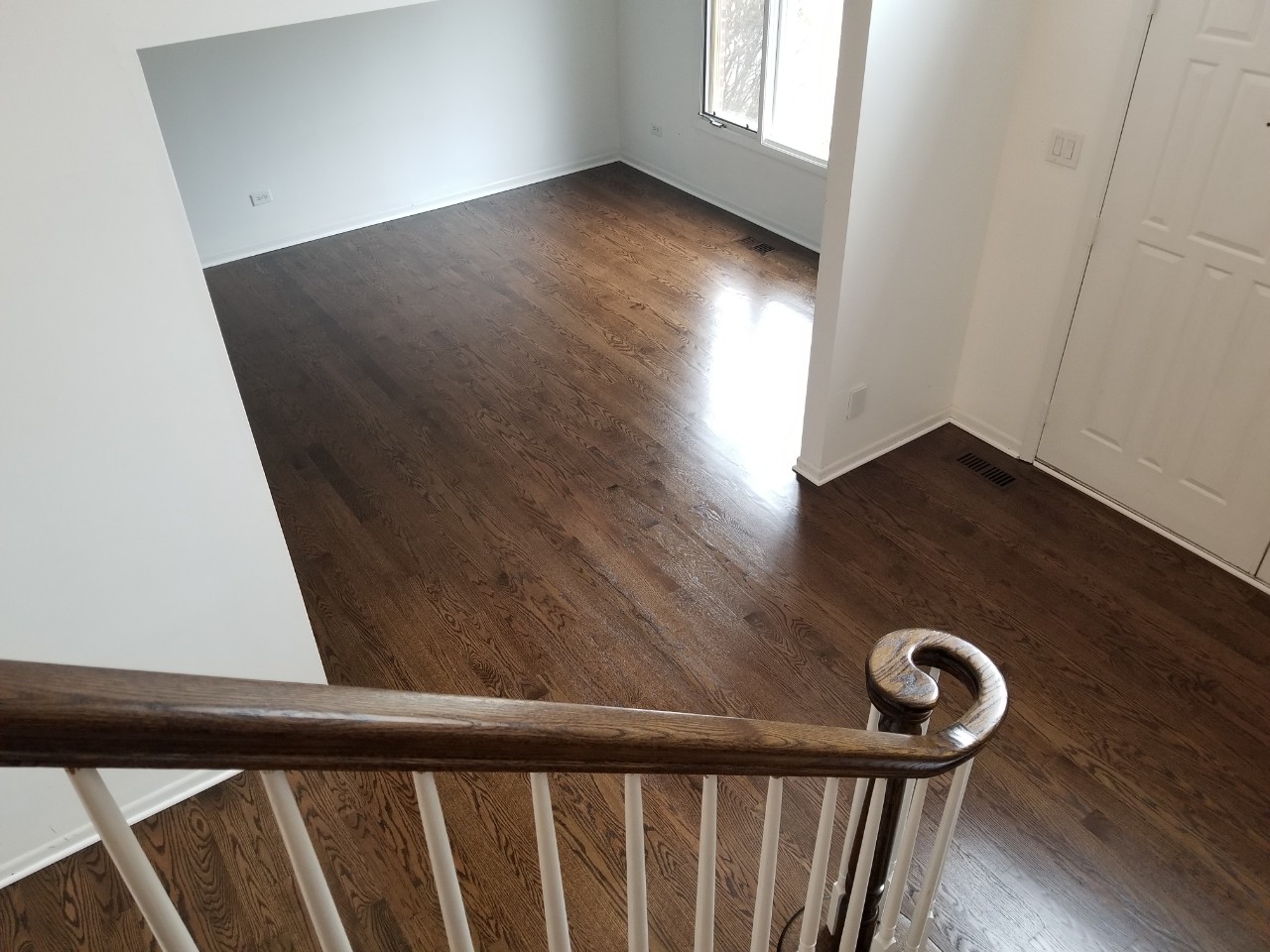
Dark walnut stain on wood floor

Red oak pulls stain into its open grain almost greedily. Maple? Maple pretends to be smooth but then absorbs unevenly and surprises you with blotchiness. That’s why sample testing isn’t optional. You test because wood has moods, and stains reveal them fast.

Stain vs. Finish: Key Differences

Some homeowners mix up the terms stain and finish, and that’s okay – not everyone lives in this world. Here’s the quick version:

Stain = color
Finish = protection

Stain creates the tone, undertone, and depth. Finish gives you sheen and durability. A good satin water-based polyurethane protects the color without warming it much. Oil poly adds that amber tone that some people love and others don’t.

If you want a simple guide on finishes themselves, you can peek at our hardwood floor refinishing overview.

When You Should and Shouldn’t Stain Hardwood Floors

You should stain when:

  • you want a big color change
  • you’re modernizing old ambered floors
  • you’re matching new boards to old ones
  • your interior style leans warm, cool, or greige and natural wood doesn’t fit

You shouldn’t stain when:

  • you have maple or birch but don’t want to deal with prep
  • the room gets intense daily sunlight
  • you’re chasing the raw-wood Scandinavian vibe but want a zero-maintenance floor
  • you love walnut as-is (seriously, don’t stain walnut unless there’s a specific goal)

Some floors look best with nothing more than a clean, water-based finish.

Types of Hardwood Floor Stains

People see dozens of stain cans at the store. In real life, contractors mostly work with four families.

Oil-Based Hardwood Floor Stains

Oil-based stains are the old-school workhorse. When you first stir them, that dense smell hits – familiar to anyone who’s ever spent a day staining floors. They spread smoothly and give deep, rich color.

  • Pros: long open time (great for even wiping), strong pigmentation, classic warm tones.
  • Cons: higher VOCs, slower drying, shift warmer under oil-based polyurethane.

The EPA notes that levels of many VOCs indoors – arising from paints, varnishes, stains, and other coatings – can be several times higher than outdoors, and recommends increasing ventilation when using such products.

Water-Based Hardwood Floor Stains

Water-based stains dry fast and smell less. They run thinner – you can feel it when you wipe. They keep color closer to the wet sample, making them great for modern neutrals.

  • Pros: low VOC, fast turnaround, predictable color.
  • Cons: shorter working time, sometimes cooler-looking, can raise grain slightly.

On our projects, we often use Bona Chroma water-based stains. They dry quickly, have minimal odor, and feature a non-yellowing formula, which helps keep the color stable over time.

Gel Stains & Penetrating Oils

Gel stains sit more on top than they soak in, which is why they work beautifully on woods that like to misbehave (looking at you, pine and maple). Penetrating oils soak in deeper but leave a natural, velvety feel underfoot.

Gel stains help reduce blotching. Penetrating oils bring warmth and keep the grain feel alive. We use them when traditional stains just don’t cooperate.

Custom-Mixed Stains

Sometimes the color card is close… but not close enough. Maybe there’s too much red. Maybe the grey has too much blue under LED lights. That’s where custom mixing comes in.

At 1 DAY® Refinishing our refinishers mix combinations like:

  • brown plus a touch of neutral black
  • greige plus natural
  • two medium browns to mute red oak’s pink cast
  • layered combinations for depth

Color charts don’t tell the whole story. The actual boards do. That’s why test patches matter more than any brochure.

Different wood floor stain colors on sample boards

How Wood Species Affect Hardwood Floor Stains

You don’t stain every species the same way. Wood species arguably matter as much as the stain color itself.

Red Oak

Red oak loves stain – maybe too much. It pulls warm. That “red shift” is real. Even brown stains can pick up a little red. Water popping deepens the tone and helps mute pink undertones.

With the right prep, you can get gorgeous browns and greiges on red oak.

White Oak

White oak is one of the most flexible species to stain. The Forest Products Laboratory notes its strong tannin content, which reacts well with most stain types.

You can achieve:

  • soft naturals
  • muted greys
  • modern desaturated tones
  • deep browns without heavy warmth

It’s the designer’s favorite for a reason.

Maple

Maple looks smooth but absorbs unevenly, leading to blotching. It’s closed-grain, so stain doesn’t settle easily.

Solutions we use:

  • pre-stain conditioner
  • gel stain
  • water popping
  • multiple test patches

When done right, maple looks incredibly refined.

Hickory

Hickory has big color variation between boards. Stain exaggerates that contrast. Some people love that rustic character – others find it too busy.

Medium browns help unify the look while keeping hickory’s natural charm.

Walnut

Walnut is naturally dark and rich. Most homeowners skip stain altogether. If stained, walnut goes even deeper into chocolate territory. Under certain lights, walnut takes on a warm glow that you can’t force out of other species.

Pine and Other Softwoods

Pine absorbs stain unevenly and can turn blotchy fast. Gel stains, conditioners, and slow-drying stain bases are essential. Softwoods require patience, but with the right prep they deliver a warm, cozy look.

How to Choose the Right Hardwood Floor Stain

Picking a stain is part art, part science, part intuition, and part “how does the room feel to you?”

Matching Stain to Interior Style

Here’s a quick table we use to help homeowners narrow down options:

Interior Style Best Stain Families Notes
Modern / Minimal Natural, grey, desaturated White oak shines here
Farmhouse Warm naturals, medium browns Soft, relaxed feel
Traditional Rich browns Matches classic trim
Coastal Whitewash, pale beige Bright and open
Industrial Espresso, charcoal, greige Bold contrast

Not rules – just jumping-off points.

Understanding Natural Wood Undertones

Every wood has undertones. That’s where most homeowners trip up choosing stains.

Red oak is warm.
Maple is creamy.
White oak is neutral.
Walnut is dark chocolate.

Stains mix with undertones, not over them. Get a mismatch and the color drifts into green, red, or muddy territory.

Lighting & Room Size Influence on Color

Lighting changes a stain constantly throughout the day. Cool LEDs push greige into blue. Afternoon sunlight warms grey into beige. Small rooms feel bigger with lighter tones.

Always check stain samples:

  • in morning light
  • in afternoon sun
  • in evening artificial light

Trust your eyes, not the brochure.

Pets, Kids & High-Traffic Considerations

If your home sees a lot of activity, stain color matters.

Dark stains = show everything.
Light and medium stains = hide more life.

Check out our hardwood floor maintenance guide if you want the simplest upkeep routine.

Choosing popular wood floor stain colors for your space

Best Hardwood Floor Stains by Room Type

Different rooms behave differently. Light moves differently, moisture shifts, foot traffic changes. So stain choice isn’t just “what looks nice” – it’s “what works here.”

Living Room & Open Concept

Living rooms usually get the best mix of natural light and breathing room. That’s why almost any stain family works here. Light stains make the space feel bigger and calmer. Medium browns bring warmth without making the room heavy. Even darker browns can shine if the windows are generous.

And because these spaces usually have the most furniture, medium tones tend to feel the most balanced. They kind of anchor the whole vibe.

Bedrooms & Nursery

You want calm energy in bedrooms – something that feels settled even when the room is half-lit at night. Soft naturals, honey tones, and light beige stains are great for that. They add warmth without overpowering everything else.

Nurseries especially benefit from these softer looks. Light stains bounce light around and keep the space feeling gentle and cozy – and that matters at 3 A.M. when you’re pacing with a baby.

Kitchen

Kitchens deal with everything: spills, steam, shifting humidity, warm lights overhead. So you want something stable – a stain that doesn’t shift too much under yellow-toned bulbs and a finish that doesn’t amber aggressively.

Medium browns and naturals usually perform best here. They forgive minor scuffs and hide crumbs a little better than dark tones. And always, always check your test patches under your actual kitchen lighting – LEDs and halogens can really change undertones.

Hallways & Entryways

These zones get hammered – boots, pet paws, dirt, sand, you name it. Dark stains look beautiful on day one but show traffic way too fast in entryways. That’s why we lean toward medium tones or warm naturals here.

Hallways also connect multiple rooms, so a mid-tone stain often helps everything feel unified. You’d be amazed how much smoother a house feels when the hallway isn’t fighting the other colors.

Basement

Basements are tricky. They’re darker, cooler, and often more humid than the rest of the home. Light stains help open the space visually. Medium tones also work if you want a cozier feeling, but dark stains usually make basements feel heavy.

Water-based systems often hold up better in basement humidity. They keep the color stable and dry faster in lower-light areas. Many homeowners are honestly shocked at how much better their basement feels after going lighter.

How to stain hardwood floors step-by-step

Common Hardwood Floor Staining Problems

Staining isn’t tough because the stain is complicated. It’s tough because wood is complicated. The surface has to be prepped right or everything that happens next becomes unpredictable.

Blotchy or Uneven Absorption

This is the number-one issue we see when homeowners try DIY staining. Blotching happens when the wood absorbs stain unevenly. Maple, birch, and pine are the worst for this, but it can happen to any species if the sanding hardwood floors the right way – from prep to perfect finish – wasn’t done consistently.

Blotching usually comes from:

  • skipping pre-conditioner
  • using uneven sanding grits
  • wiping stain at inconsistent times
  • applying stain too thick

The NWFA (2023) guidelines emphasize consistent sanding, and they’re right. A clean, even surface makes all the difference.

Stain Color Shifting Red/Yellow/Green

Undertones are sneaky. They show up once the stain hits the wood or once the light hits the stain. Red oak might push your grey stain slightly warm. Cool LEDs might turn your greige a bit blue. Natural sunlight can soften even the strongest tones.

Always test stain samples in different lighting. Not up close – stand back. Undertones reveal themselves from across the room.

Maple Not Taking Stain Properly

Maple is famous for this problem. It looks smooth and innocent, then boom – blotches everywhere. Its closed grain makes absorption uneven unless you treat it carefully.

Our typical approach at 1 DAY® Refinishing:

  • apply a pre-stain conditioner
  • use gel stain or a slower-drying base
  • water-pop the floor
  • test, adjust, retest

When done well, maple looks incredibly refined and almost silky.

Color Changing After Polyurethane or Hardwax Oil

This one surprises people. The floor looks perfect after stain – exactly the color they wanted – then the finish coat goes on and everything shifts. Totally normal.

Here’s the typical pattern:

Finish Type Color Shift Notes
Oil Poly Warm amber Richens browns
Water Poly Minimal shift Great for natural looks
Hardwax Oil Slight warmth Very natural underfoot

Oil poly warms up everything. Water-based poly keeps things as close to the sample as you can get. Hardwax oil gives a soft, natural feel with just a hint of warmth. If you expect the shift, it feels good. If you don’t, that’s when homeowners panic.

Choosing the Best Hardwood Floor Stain for Your Home

So… how do you actually choose the right hardwood floor stain? Honestly, the right stain is the one that makes your home feel the way you want it to. Sure, species, undertones, sunlight, and finish type all matter. But when you see the color on your boards – in your light, in your space – you’ll know.

At 1 DAY® Refinishing, our pros take stain testing seriously. We look at samples in morning light, warm evening light, overhead LEDs – all of it. Because stains don’t live in color charts. They live in real rooms with shadows and windows and furniture and life happening around them.

Take your time with stain samples. Look at them from across the room. Look at them next to your cabinets and your rug. And if the stain behaves weird, we’ve seen that before, and we’ll help you figure it out. If you ever want a hand choosing, matching, or testing hardwood floor stains, our refinishers are always ready to help.