Engineered Hardwood vs Solid Hardwood: What’s Right for Your Home

engineered hardwood vs solid hardwood

Most folks think hardwood is just hardwood – but it isn’t. We’ve worked with both for years, and trust me – solid hardwood and engineered hardwood might start from the same log, but they live totally different lives. One’s a single piece of lumber that swells and shrinks with every season; the other’s a layered plank built to resist those changes.

Solid hardwood is cut straight from oak, maple, or hickory – thick, sturdy, and ready to be sanded five or six times over its lifetime. Engineered hardwood has a real-wood veneer on top of plywood layers that keep it flat and calm when humidity rises. So while solid hardwood gives you decades of refinishing potential and that deep, solid-oak thud underfoot, engineered hardwood delivers better dimensional stability, moisture control, and easier installation.

In simple terms: solid wood is about longevity and character; engineered wood is about practicality and performance. The choice usually comes down to where it’s going – dry spaces versus basements, radiant-heat systems versus old-school subfloors, budget versus refinishing freedom.

At 1 DAY® Refinishing, our crews deal with both every week. We’ve restored century-old oak that still shines after seven sandings and laid engineered planks that laugh off damp slabs. If you’re trying to figure out which one fits your home best, let’s break it down the same way we do on site: structure, stability, lifespan, and how each really behaves once it’s under your feet.

Solid Hardwood Flooring – Traditional Strength, Timeless Feel

Structure and Composition

Solid hardwood is pure wood – one solid piece, milled from top to bottom. No fancy cores, no glue layers. That’s why it gives that deep thud when you walk barefoot across oak or maple. It’s usually around three-quarters of an inch thick, and you can feel the weight of it.

Because it’s one solid mass, it expands and contracts with the seasons. That’s normal – wood breathes, same as us. We always let it sit on-site for a few days before nailing it down so it can adjust to the room’s air. Keep the temperature and humidity steady, and you’ll avoid most of the gaps or cupping that show up later. Simple, but worth repeating.

Lifespan and Refinishing Potential

Here’s where solid wood really earns respect. The wear layer is the whole board, so you can sand and refinish it several times before running out of material. Industry experts from Hardwood Floors Magazine – the official publication of the National Wood Flooring Association – note that most solid hardwood floors can be sanded and refinished five to seven times over their lifespan, depending on thickness and condition.

I’ve personally restored oak floors installed nearly a century ago – the kind still found in older homes with thick quarter-sawn boards. Each sanding only removes about a thirty-second of an inch – just enough to expose fresh grain and color. Treat it right – sweep the grit, keep humidity stable, and recoat every few years – and you’re looking at 75 to 100 years of service. Floors like that outlive furniture, paint, and sometimes the house itself.

Ideal Room Placements and Humidity Limits

Solid wood likes comfort zones – living rooms, bedrooms, upstairs halls. It doesn’t get along with basements or damp kitchens. Too much moisture and it swells; too dry and it cracks. Think of it like an old friend who hates sudden weather changes.

Engineered Hardwood Flooring – Modern Stability and Flexibility

Layered Construction and Materials

Engineered hardwood was built to calm wood’s wild side. It’s a sandwich – a real hardwood wear layer on top, a cross-laminated plywood or HDF core below, and sometimes a balancing layer underneath. Those alternating grains keep it steady when humidity swings.

That top veneer might be red oak with warm honey tones, hickory with rustic streaks, walnut for deep chocolate browns, or maple if you like a clean, light look. The core’s often birch or poplar bonded with low-VOC adhesives – glues designed to release fewer volatile organic compounds into the air. According to the EPA, VOCs are gases that can come from certain building materials and finishes, so using low-VOC options keeps indoor air cleaner and safer once the floors are installed. Still wood – just smarter wood.

How to Clean Engineered Wood Floors

Advantages in Moisture-Prone Environments

Because the layers pull against each other, engineered flooring doesn’t cup or warp like solid. That’s why we use it in basements, kitchens, or over radiant heat. When we install on concrete, we always lay a vapor barrier – the NWFA recommends moisture differences under 4 percent between slab and plank.

And installation? Plenty of options. Some planks click together and float; others get glued or stapled. We choose by room conditions, not marketing claims.

Veneer Thickness and Refinishing Limits

Here’s the catch – veneer thickness decides how many lives that floor has:

  • 0.6 mm = a quick buff and coat only
  • 2 mm = one full sanding
  • 4–6 mm = two to three refinishes – almost like solid performance

I always tell clients: pay a little more for thicker veneer. You’ll thank yourself twenty years from now when a light sanding brings it right back.

Comparing Solid vs Engineered Hardwood

Durability and Dimensional Stability

Durability isn’t just a number – though for reference, hickory hits about 1,820 lbf and red oak roughly 1,290 lbf on the Janka hardness scale. Those numbers come from testing by the U.S. Forest Products Laboratory , a federal research center that studies how different woods respond to force, wear, and long-term use. The Janka test they publish measures the pressure needed to press a small steel ball halfway into a wood sample – basically a scientific way to show how tough each species really is. That data gives refinishers and installers a solid benchmark when judging how a floor will handle dents, furniture legs, and years of traffic.

Still, numbers only tell part of the story. What matters is how the floor behaves day to day. Solid oak takes heavier dents and keeps that old-school density underfoot, while engineered stays flatter through winter and summer. When the air swings from dry to damp, engineered just rides it out with less movement and fewer gaps. If you’re comparing species, our piece on the hardwood hardness scale shows what those numbers actually feel like once the floors are under your feet.

Key steps in hardwood floor installation

Cost, Installation, and Long-Term Maintenance

Cost changes more with method than material. Nail-down solid needs a wood subfloor and extra labor; click-lock engineered goes down fast. On average, solid runs $10–$15 per square foot installed, while engineered averages $8–$13.

Maintenance is about the same – vacuum regularly, control humidity, and skip the wet mops. Refinishing is where solid still wins: it just has more wood to work with.

Feature Solid Hardwood Engineered Hardwood
Core Structure Single solid wood Multi-layer plywood / HDF core
Refinishing Potential 5–7 times 1–3 times (depends on wear layer)
Moisture Resistance Low – needs stable humidity High – cross-laminated core resists cupping
Installation Options Nail / Staple only Nail / Glue / Float
Average Cost (Installed) $10–$15 / ft² $8–$13 / ft²
Ideal Rooms Living areas, bedrooms Basements, kitchens, condos

Comfort, Sound, and Thermal Performance

Solid floors feel heavier – that deep, confident knock when your heel hits oak. Engineered can sound a little hollow if it’s floating, though a good cork or foam underlayment helps soften the echo. Over radiant heat, engineered spreads warmth evenly; solid sometimes dries out along the seams if humidity isn’t kept steady.

Environmental and Resale Considerations

Engineered flooring uses less hardwood per square foot, which helps conserve lumber. Many quality lines carry FSC or CARB 2 certifications for sustainable sourcing and low emissions.

For resale value, both make a strong impression – most buyers just want “real wood,” and both qualify. If you’re planning a remodel for long-term value, check out our guide on how hardwood floors increase home value to see how homeowners typically gain after installation or refinishing.

Choosing the Right Type for Each Room

Every room has its own personality – some humid, some quiet, some full of traffic. Here’s how we usually guide homeowners:

Room Recommended Type Notes from the Field (Wood Species & Tone)
Living Room / Dining Area Solid or Engineered Red oak or hickory – warm mid-tones, both perform well; engineered handles radiant heat better
Bedrooms Solid Hardwood Maple or walnut – smooth grain, cozy palette, low moisture risk
Kitchens Engineered White oak or birch – neutral hues, handles spills and humidity swings better
Basements / Lower Levels Engineered only Ash or hickory – tough grain, glued or floated over slab with vapor barrier
Hallways / Entryways Solid or Thick Engineered Hickory or cherry – hard surface, darker tones hide wear
  • Living Room / Dining Areas
    These rooms stay steady through the seasons, so either flooring works. Solid oak brings that deep, classic feel, while engineered fits perfectly over radiant-heat systems and handles temperature shifts with less fuss.
  • Bedrooms
    Quiet, dry, and comfortable – solid wood feels right at home here. It softens sound and can be refinished decades later without losing character. Keep the air balanced, and it’ll look just as good after twenty years of footsteps.
  • Kitchens and Bathrooms
    Moisture’s the wild card. Engineered flooring performs better in kitchens when glued tight and seams are sealed with a durable high-traffic hardwood floor finish . Bathrooms are trickier – a small powder room might handle engineered if ventilation is solid, but full baths with daily moisture aren’t worth the risk.
  • Basements and Lower Levels
    That one’s easy – engineered only. Solid wood doesn’t play well with concrete or humidity swings. A floating engineered setup lets the slab breathe and keeps the surface flat season after season.
How to clean old hardwood floors

Maintenance, Refinishing, and Longevity

Keeping hardwood floors looking their best is about timing, care, and knowing the limits of each type.

How Refinishing Cycles Differ

Solid floors can usually take a deep sanding every 15–20 years – plenty of time between makeovers. Engineered floors depend on the veneer thickness: some can handle one full sanding, others maybe two or three before the top layer runs thin. Before any hardwood floor refinishing job, we always check the wear layer first to see what’s safe to sand.

Thin veneers – anything under 2 mm – get a light screen and recoat rather than a full cut. That quick touch-up adds another five to seven years of life without risk. And keeping dust from sanding hardwood floors under control is part of the craft – proper vacuum systems and sealed containment keep the air clear and prevent the fine haze most folks still expect from old-school sanding.

Cleaning, Humidity Control, and Finish Upkeep

  • Clean: Use a microfiber mop or soft-brush vacuum.
  • Skip: Steam mops or soaking wet cloths, which damage the finish.
  • Humidity: Keep levels around 35–55%. Use a humidifier in winter and a dehumidifier in summer if needed.
  • Recoat: Apply every 3–5 years with waterborne polyurethane for optimal longevity.

Factory aluminum-oxide finishes last longest but are tougher to sand later. Waterborne finishes dry faster and have lower odor. Choose the finish based on what matters most to you – long-lasting durability or easy maintenance.
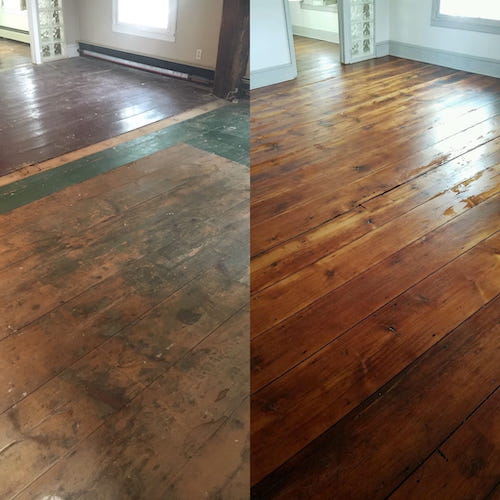
Hardwood floors sanding, staining, refinishing contractor in Inwood, NY

Professional Refinishing Advice from 1 DAY® Refinishing

Our pros use dust-contained sanding with HEPA vacs – no fog of sawdust over your couch, no haze drifting through the hallway. You can breathe easy while we work – that’s what true HEPA filtration is built for.

According to the EPA, certified HEPA filters capture 99.97 percent of airborne particles as small as 0.3 microns, keeping fine wood dust out of the air and off your furniture. It’s the same standard used in hospitals and labs, which makes a big difference when we’re sanding inside someone’s home.

For solid floors, we start coarse – 36-grit – then move through 60, 80, and 100 before buffing and coating. Each pass levels the surface while the HEPA vac stays locked on, pulling away every bit of fine dust. Engineered floors? We baby them – usually a 120-grit screen only – because once you cut through that veneer, it’s game over.

And don’t wait until boards turn gray or black. Once stains dive deep, sanding might not save them. Catch wear early – a light recoat’s way cheaper than a rescue job.

If you’re unsure which type you have, contact 1 DAY® Refinishing . We’ll check veneer thickness and tell you straight – refinish, recoat, or replace. Our crews handle all of it with clean air and clean results from start to finish.

Finding What Fits Your Home’s Rhythm

So … which one’s better? Honestly, it depends on your house – and you. Want that heritage feel and the freedom to refinish again and again? Solid’s your pick. Need stability through every humidity swing or radiant-heat setup? Engineered’s got your back. Both can look incredible. Both last decades if you treat them right. The real trick is matching the floor’s personality to your home’s rhythm.

At 1 DAY® Refinishing, we’ve helped homeowners make that call for years – sometimes bringing century-old oak back to life through careful hardwood floor refinishing , sometimes giving new engineered floors a tone and finish that fit the space just right. A lot of folks think refinishing’s just sanding and coating, but we like to say, “It’s more like giving the wood a reset – letting it breathe again.”

Whether it’s a solid oak revival or an engineered refresh, we’ll help your floors look and feel right for the life you live.

Cost to Refinish Hardwood Floors in NYC: Factors & Estimates

How Much Does It Cost To Refinish Hardwood Floors

Refinishing hardwood floors is a significant investment, especially in a bustling metropolis like New York City. Understanding the real cost is crucial for homeowners and renters alike, as it can impact budgeting and decision-making. In a city where living expenses are already high, unexpected costs can disrupt your financial plans. Therefore, knowing the precise cost to refinish hardwood floors in NYC helps you prepare better and avoid financial surprises.

Why Refinish Hardwood Floors?

Refinishing your hardwood floors is more than just a cosmetic upgrade; it’s a strategic move that can significantly increase home value. In a city like NYC, where real estate is a premium commodity, maintaining pristine floors can set your property apart in a competitive market. Potential buyers and renters are often willing to pay more for homes with beautiful, well-maintained hardwood floors, making this investment worthwhile.

Beyond increasing property value, refinishing your floors can also extend their lifespan. Over time, hardwood floors can develop scratches, stains, and other signs of wear and tear. Refinishing addresses these issues by sanding down the surface to remove imperfections and applying a new finish for protection. This process not only restores the floor’s original beauty but also adds years to its usability, saving you money on future replacements.

Additionally, refinishing allows you to change the look of your floors to match current trends or your personal style. Whether you prefer a glossy modern finish or a classic matte look, refinishing gives you the flexibility to refresh your home’s aesthetic. This adaptability is particularly valuable in NYC, where interior design trends can shift rapidly, and staying ahead of the curve can enhance your property’s appeal.

Average Cost in NYC

When calculating the cost to refinish hardwood floors in NYC, it is essential to consider the price per square foot, which typically ranges from $2 to $5. This figure can vary based on factors such as the condition of the existing floors, the type of finish desired, and the contractor’s expertise. It’s important to obtain multiple estimates to ensure you’re getting a competitive rate.

For apartments, especially in older buildings, the cost can be influenced by the ease of access and the building’s policies. Apartments generally see a cost range of $1,500 to $4,000, depending on the size and complexity of the job. Townhouses, with their larger floor plans, might range from $3,000 to $8,000. These prices can fluctuate based on the specific neighborhood, as more upscale areas might command higher rates.

To better understand these figures, consider the following table illustrating potential costs based on a 1,000 square foot area:

Type of Residence Cost Range (Estimated)
Apartment $2,000 – $3,500
Townhouse $4,500 – $6,500

These estimates provide a baseline, but remember to account for additional costs that may arise during the project.

Main Price Factors

Several key factors influence the cost to refinish hardwood floors in NYC. Understanding these elements will help you plan your budget accurately and choose the most suitable refinishing options for your needs.

Square Footage

Square footage is a primary factor in determining the cost to refinish hardwood floors in NYC. The larger the area, the higher the total expense, as more materials and labor are required. It is crucial to accurately measure the space to avoid unexpected costs. Typically, professionals charge per square foot, so knowing the exact dimensions can help you negotiate better rates and plan your budget accordingly.

How Much Does It Cost To Refinish Hardwood Floors

Condition of the Floors

The existing condition of your floors significantly impacts the cost of refinishing. Floors that are severely worn, stained, or damaged will require more extensive work, such as additional sanding or repair, driving up costs. In contrast, floors relatively good condition might only need a buff and coat vs. full refinish. Assessing the condition of your floors beforehand allows you to anticipate potential costs and prepare for any necessary repairs.

Finish Type

The type of finish you choose also affects the overall cost. Matte and glossy finishes often have different price points, with glossy finishes sometimes incurring additional charges due to the extra layers required. Similarly, the choice between oil-based and polyurethane finishes can influence costs. Oil-based finishes generally cost more due to durability, while water-based polyurethanes are more budget-friendly. Explore eco-friendly hardwood floor finishes if sustainability is a priority.

Building Access

Building access can add to the complexity and cost of refinishing projects in NYC. Walk-up buildings may require additional labor for transporting materials and equipment, leading to higher charges. Elevators can facilitate easier access, but some buildings have strict regulations on their use, which can limit working hours and increase project duration. Pre-war buildings often present challenges due to their unique structural characteristics, potentially necessitating specialized techniques or equipment, which can raise costs.

Extra Costs to Consider

When budgeting for your floor refinishing project, be mindful of additional expenses that can arise.

  • Furniture Moving: Unless you plan to move your furniture yourself, you’ll need to hire professionals to clear the space, which adds to the overall cost.
  • Board Replacement: If any floorboards are damaged beyond repair, they will need to be replaced, adding to both material and labor expenses.
  • Staining: Opting to change the color of your floors with a stain can incur additional costs, depending on the complexity and type of stain chosen.
    Disposal: Disposal of old materials, such as sanding dust and old finishes, might not be included in the initial quote, so clarify this with your contractor.

Consider these extra costs upfront to avoid budget overruns and ensure a smooth project experience.

Ways to Save Money: DIY vs. Hiring Pros

Exploring cost-saving strategies is a smart move when considering the cost to refinish hardwood floors in NYC. One way to reduce expenses is by choosing between a DIY approach and hiring professionals. While DIY projects can save on labor costs, they require significant time, effort, and skill. If you have the expertise and time, DIY can be a cost-effective option. While DIY can save money, it requires skill. Learn the pros and cons of DIY refinishing before committing. However, for those lacking experience, hiring professionals might be the better choice to ensure quality results.

Timing your project can also lead to savings. Scheduling refinishing work during off-peak seasons, such as late fall or winter, can result in lower prices due to reduced demand. Contractors often offer discounts during these periods, making it an opportune time to undertake your flooring project. Additionally, booking in advance can sometimes secure better rates, as contractors appreciate the certainty of future work.

Another practical tip for saving money is to obtain multiple quotes from different contractors. Comparing prices and services allows you to identify competitive offers and negotiate better deals. Ensure that each quote includes a detailed breakdown of costs to avoid hidden charges and ensure a comprehensive understanding of what you are paying for.

Summary

Thorough research, careful planning, and strategic decision-making are key to managing the cost to refinish hardwood floors in NYC effectively. Look for professionals with a proven track record, positive reviews, and transparent pricing. It’s advisable to ask for references and view previous work to ensure quality and reliability. Additionally, verify their licensing and insurance to protect yourself from potential liabilities. A reputable contractor will provide a detailed quote, highlighting all costs and services, allowing you to make an informed decision.

How Much Does It Cost to Lay Wood Floors and What You Get

how much does it cost to lay wood floors​

Wood flooring is known for its classic appeal and long-lasting durability. It comes in a variety of styles, like solid hardwood and engineered wood, each with its own price point and pros. When you’re deciding which to go with, it really comes down to how much does it cost to lay wood floors for the type you want and the features you care about. This article provides a comprehensive guide to help you make an informed decision about the expenses associated with wood flooring.

How Much Laying Wood Floors Costs

Wood flooring offers timeless beauty and durability, making it a favored option for many. It encompasses various types, including solid hardwood, and engineered wood. Each type of wood flooring has distinct characteristics and benefits, catering to different preferences and requirements. Solid hardwood, for example, is made from a single piece of timber, offering a rich look and the ability to be refinished multiple times.

Engineered wood, on the other hand, consists of a top layer of real wood veneer adhered to a core of plywood or high-density fiberboard. This construction provides better resistance to moisture and temperature changes, making it suitable for areas like basements and kitchens. The basics of wood flooring are essential, as they set the foundation for your cost considerations. The type of wood flooring you choose will significantly impact both the initial installation costs and the long-term maintenance expenses.

Factors Influencing the Cost of Laying Wood Floors

Several factors influence the cost of laying wood floors, making it essential to evaluate each element carefully. The type of wood flooring is a primary consideration, with solid hardwood generally being more expensive than engineered options. Additionally, the quality and species of the wood can significantly affect the overall cost.

1. Area Size:

The size of the area to be covered will directly impact the total cost. Larger spaces require more materials and labor, increasing the overall expense. Calculating the square footage of the area is a crucial step in estimating costs.

2. Installation Method:

The method of installation also plays a role. Nail-down and glue-down methods are typically more labor-intensive and costly than floating installations, which are common with engineered floors.

3. Pre-installation Preparations:

Factors such as subfloor preparation and removal of old flooring can add to the cost. Uneven or damaged subfloors may need additional work before installation, affecting your budget.

Considering these factors will help you determine a realistic budget for laying wood floors, ensuring you choose options that align with your financial plans.

Wood Floor Options and Costs

When selecting wood flooring, it’s important to consider both aesthetics and budget. There are two main types of wood floors with different price ranges:

Solid Hardwood

  • Cost: $5-28 per square foot
  • Advantages: Unmatched beauty and durability
  • Features: Can be sanded and refinished multiple times
  • Ideal for: Long-term interior investments and natural material enthusiasts

Engineered Hardwood

  • Cost: $6-23 per square foot
  • Advantages: Balance between price and aesthetics
  • Features: Enhanced moisture resistance
  • Ideal for: Versatile applications, including areas with higher humidity

Your choice depends on your priorities: if durability and the ability to refinish are important, solid hardwood is the optimal solution, despite its higher cost. If you need practical flooring for various conditions, engineered hardwood offers a good compromise between price and quality.

Different wood species for flooring

Wood Floor Refinishing Services: A Cost-Effective Alternative

If your existing hardwood floors are structurally sound but have lost their original luster, refinishing may be a cost-effective alternative to full replacement. Wood floor refinishing involves sanding down the surface to remove scratches, stains, and wear, then applying a new finish to restore its appearance. This process typically costs between $3 to $8 per square foot, significantly less than installing new floors. Refinishing not only revives the beauty of your existing wood but also extends its lifespan, making it an appealing option for homeowners looking to refresh their space without the higher costs of new flooring installation.

Cost Breakdown: Materials vs. Labor

When estimating the cost of laying wood floors, it’s essential to differentiate between materials and labor. Each component contributes uniquely to the overall expense.

  • Materials:

Materials include the cost of the wood flooring itself, underlayment, adhesives, and any additional items like trim or moldings. Depending on the type of wood and quality, materials can account for 50% to 70% of the total cost. High-quality hardwoods and engineered woods will naturally incur higher material costs.

  • Labor:

Labor costs vary significantly depending on the complexity of the installation and the region. On average, you might expect to pay between $3 to $10 per square foot for professional installation. Factors such as intricate patterns, custom designs, or difficult layouts can increase labor costs.

For instance, investing in high-quality materials may reduce future maintenance costs, while opting for professional installation ensures a polished finish.

Hidden Costs to Consider When Laying Wood Floors

In addition to the obvious expenses, it’s vital to account for potential hidden costs that can arise during the installation process.

1. Subfloor Issues:

If your subfloor requires repairs or leveling, it can add unexpected costs. It’s crucial to assess the condition of the subfloor before installation to avoid surprises.

2. Old Flooring Removal:

Removing existing flooring, such as carpet or tile, may incur additional costs. This process can be labor-intensive and time-consuming, depending on the type of flooring being removed.

3. Additional Materials:

Trim, moldings, and thresholds are often overlooked but necessary components that can add to the final bill. These materials help create a seamless transition between rooms and enhance the overall look.

Anticipating these hidden costs allows you to create a more accurate budget and avoid unexpected financial strain during installation.

Comparing DIY vs. Hiring Professionals

Deciding between DIY installation and hiring professionals is a critical choice that affects both cost and quality.

  • DIY Installation:

For those with the necessary skills and tools, DIY installation can be a cost-effective option. It allows you to save on labor costs, but it requires significant time and effort. Additionally, mistakes during installation can lead to costly repairs or replacements in the future.

  • Hiring Professionals:

Professional installation ensures precision and expertise, providing peace of mind that the job will be done correctly. While it involves higher upfront costs, the investment often translates into long-term value and satisfaction.

Consider your skill level, time availability, and budget when choosing between DIY and professional installation. While DIY can save money, professional installation offers a level of expertise and quality assurance that is hard to match.

Regional Cost Variations for Wood Floor Installation

The cost of laying wood floors varies significantly across different regions, influenced by factors such as local labor rates, material availability, and demand.

  1. Urban vs. Rural Areas: Urban areas tend to have higher labor costs due to increased demand and living expenses. Conversely, rural areas might offer more competitive pricing for both materials and labor.
  2. Regional Preferences: Certain regions have preferences for specific types of wood or installation methods, affecting the overall pricing. For example, coastal areas might favor engineered wood due to its moisture resistance, impacting demand and cost.
  3. Local Regulations: Building codes and regulations can vary, influencing installation methods and materials. Compliance with local codes might require additional expenses, such as permits or inspections.

Regional cost differences show you what to expect and help you make informed decisions and negotiate better deals with local contractors or suppliers.
Choosing the Right Hardwood Flooring

Cost-Saving Tips for Laying Wood Floors

Installing wood flooring can be affordable with the right strategies. Implementing cost-saving strategies can help you achieve your dream flooring without overspending.

  1. Shop Around for Materials: Comparing prices from different suppliers can lead to significant savings. Consider online retailers or local discount warehouses for competitive pricing on materials.
  2. Opt for Engineered Options: If budget constraints are a concern, consider engineered wood. These options provide the look of hardwood at a fraction of the cost, without compromising on aesthetics.
  3. Plan for Off-Season Installation: Scheduling installation during off-peak seasons can result in lower labor costs. Contractors might offer discounts during less busy periods, allowing you to save on professional services.

These tips are especially helpful for homeowners researching how much does it cost to lay wood floors while staying within a specific budget.

Summary

Deciding on wood flooring involves careful consideration of various factors, from material choices to installation methods. If you know the costs and assess your options, you can choose what suits your budget and style best. When planning your wood flooring project, consider both the immediate expenses and long-term value. Investing in quality materials and professional installation can enhance the beauty and durability of your floors, adding value to your home.

The Impact of Hardwood Floors on Home Value

The Impact of Hardwood Floors on Home Value

When homeowners contemplate renovations to increase their property’s value, hardwood flooring consistently emerges as a leading consideration. The enduring appeal of hardwood floors extends far beyond their aesthetic charm, making them a significant factor in real estate transactions. But in today’s dynamic housing market, prospective renovators naturally question, do hardwood floors increase home value, and whether this investment truly delivers the returns they seek.

How Hardwood Floors Impact Property Value

The appeal of hardwood flooring transcends mere visual attraction. These floors represent a confluence of beauty, durability, and practical functionality that resonates deeply with potential buyers. Real estate professionals consistently report that hardwood floors rank among the most sought-after features in residential properties, with the National Association of Realtors finding that 54% of prospective buyers would pay a premium for homes featuring hardwood flooring.

This preference translates into tangible financial benefits. Properties with hardwood floors typically command a 2.5% to 5% premium over comparable homes with alternative flooring. However, the true value proposition extends beyond these immediate financial metrics. Hardwood floors enhance a property’s marketability by creating an impression of quality that pervades the entire home, often leading to faster sales and broader buyer interest.

ROI of Installing Hardwood Floors

When researching whether hardwood floors increase home value, data shows the ROI can be quite favorable. Studies examining do hardwood floors increase home value consistently demonstrate that you can expect to recoup about 70-80% of your investment when selling your home.

On average, you can expect to recoup about 70-80% of your investment in hardwood flooring when you sell your home. This ROI is higher than many other home improvement projects, including bathroom remodels or window replacements. Here’s a breakdown of the potential costs and returns:

Aspect Details
Average Cost $4,000 – $5,000 for 1,000 square feet
Potential Value Increase $6,000 – $8,000
ROI Percentage 70-80%
Time to Recoup Investment Upon sale of home

It’s worth noting that these figures can vary based on factors such as:

  • Quality of materials used
  • Professional vs. DIY installation
  • Local real estate market conditions
  • Overall condition of the home

While the upfront cost may seem significant, the long-term benefits often outweigh the initial investment. Not only do you get to enjoy the beauty and comfort of hardwood floors while living in your home, but you also position your property favorably for future resale.

Types of Hardwood Floors and Their Value Impact

Not all hardwood floors are created equal when it comes to their impact on home value. The type of wood, finish, and installation method can all affect how much value is added to your property. Here’s an overview of some popular hardwood flooring options and their potential impact on home value:

Solid Hardwood:

Engineered Hardwood:

  • Consists of a hardwood veneer over plywood
  • More resistant to moisture and temperature changes
  • Generally less expensive than solid hardwood
  • Can still add significant value, especially in areas prone to humidity

Exotic Hardwoods:

  • Includes species like Brazilian Cherry or Tigerwood
  • Offer unique grains and colors
  • Can add a luxury factor to your home
  • May appeal to a niche market

Reclaimed Wood:

  • Salvaged from old buildings or structures
  • Offers character and environmental benefits
  • Can be a selling point for eco-conscious buyers
  • May add value through its unique story and appearance

When choosing hardwood flooring, consider the style of your home and the preferences of potential buyers in your area. While exotic hardwoods might be appealing, they may not add as much value in all markets as a classic oak or maple floor would. The installation method also plays a role in value addition. Professional installation generally yields better results and can increase the perceived value of the flooring. Proper care and maintenance of your hardwood floors are crucial to maintaining their value-adding potential over time.

Buyer Preferences: What Home Seekers Look For

Understanding what potential buyers are looking for can help you make informed decisions about home improvements, including flooring choices. When it comes to hardwood floors, several factors influence buyer preferences:

  1. Durability: Buyers often seek flooring that can withstand daily wear and tear, especially in high-traffic areas.
  2. Ease of maintenance: Low-maintenance options are highly desirable for busy homeowners.
  3. Aesthetics: The visual appeal of hardwood floors can be a significant selling point.
  4. Allergen resistance: Hardwood floors are preferred by those with allergies or respiratory issues.
  5. Versatility: Floors that complement various decor styles are more attractive to a broader range of buyers.
  6. Environmental considerations: Some buyers prioritize eco-friendly materials and sustainable practices.

Recent surveys have shown that hardwood floors consistently rank among the top features that home buyers look for. According to the National Wood Flooring Association, 99% of real estate agents say homes with hardwood floors are easier to sell, and 90% say they sell for more money.

Comparing Hardwood to Other Flooring Options

While hardwood floors are highly desirable, it’s important to consider how they stack up against other flooring options in terms of value addition and buyer appeal. Here’s a comparison of hardwood floors with other popular flooring choices:

Carpet:

  • Pros: Soft, warm, noise-reducing
  • Cons: Traps allergens, harder to clean, shorter lifespan
  • Value Impact: Generally doesn’t increase home value

Tile:

  • Pros: Durable, water-resistant, variety of styles
  • Cons: Can be cold, hard underfoot, grout maintenance
  • Value Impact: Can add value, especially in bathrooms and kitchens

Laminate:

  • Pros: Affordable, easy to install, resistant to scratches
  • Cons: Cannot be refinished, may look artificial
  • Value Impact: Minimal to moderate value increase

Vinyl:

  • Pros: Water-resistant, affordable, easy to maintain
  • Cons: May off-gas, can dent or tear
  • Value Impact: Minimal value increase

Hardwood:

  • Pros: Durable, timeless appeal, can be refinished
  • Cons: Susceptible to moisture damage, higher initial cost
  • Value Impact: Significant potential for value increase

This comparison illustrates why hardwood floors often come out on top when considering home improvements aimed at increasing property value. While other flooring options may have their advantages, few can match the overall appeal and value-adding potential of hardwood.

When making your decision, consider factors such as:

  • The specific room (e.g., hardwood may not be ideal for bathrooms)
  • Your budget for both initial installation and long-term maintenance
  • The climate in your area (humidity levels can affect hardwood performance)
  • The expected length of time you plan to stay in the home

By weighing these factors against the potential value increase, you can make an informed decision about whether hardwood floors are the right choice for your home improvement project.

Regional Variations in Hardwood Floor Value

The impact of hardwood floors on home value can vary significantly depending on your geographic location. Regional preferences, climate conditions, and local real estate trends all play a role in determining how much value hardwood floors can add to your home. Here’s a breakdown of how different regions in the United States view hardwood flooring:

Northeast:

  • High appreciation for hardwood floors
  • Traditional hardwoods like oak and maple are popular
  • Can add significant value due to the prevalence of older homes

Southeast:

  • Hardwood is desirable but may face challenges due to humidity
  • Engineered hardwood often preferred for its moisture resistance
  • Can still add value, especially in upscale neighborhoods

Midwest:

  • Strong preference for hardwood in many areas
  • Mix of traditional and modern styles appreciated
  • Generally adds good value, particularly in older homes

Southwest:

  • Hardwood less common due to desert climate
  • When present, can be a unique selling point
  • May add moderate value, but tile often preferred

West Coast:

  • High demand for hardwood floors, especially in urban areas
  • Wide range of styles appreciated, including exotic woods
  • Can add substantial value in competitive markets like San Francisco or Seattle

Pacific Northwest:

  • Hardwood popular despite humid climate
  • Local woods like Douglas fir often used
  • Generally adds good value, especially when well-maintained

Remember that even within regions, preferences can vary between urban, suburban, and rural areas. The style of your home and the expectations of buyers in your price range should also factor into your decision-making process.

Summary

Hardwood flooring continues to demonstrate strong potential for home value enhancement. While initial costs require careful consideration, the combination of aesthetic appeal, durability, and market desirability typically delivers favorable returns. The key to maximizing this investment lies in careful consideration of material choices, installation quality, and local market preferences.

Refinishing Hardwood Floors: A Comprehensive Cost Guide

How Much It Costs to Refinish Hardwood Floors

Revitalizing hardwood floors through refinishing is a popular home improvement project that can significantly enhance the appearance of your living space. So, how much to refinish hardwood floors? Before embarking on this journey, it’s essential to understand the associated costs. You should also consider whether to tackle the project yourself or enlist professional help. Let’s dive in!

Why Choose Refinishing Over Replacement?

Refinishing hardwood floors is generally more cost-effective than replacing them entirely. This makes it an attractive option for homeowners looking to spruce up their space without emptying their wallets. Complete replacement is typically only necessary in cases of severe damage or extensive wear.

The Refinishing Process

The process typically involves three main steps:

  1. Sanding: This process removes surface imperfections and creates a smooth base. This step is crucial for preparing the floor for staining and finishing. Professional sanders and DIYers alike use drum sanders and edging sanders to achieve a uniform surface.
  2. Staining: Here, you can either refresh the existing color or opt for a completely new look. Staining is like picking out a new outfit, but for your floor. Various stains are available, allowing you to match your floor to your home decor.
  3. Finishing: A protective coat is applied to shield the wood from daily wear and enhance its appearance. Finishes come in various types, including polyurethane, varnish, and wax. Choosing the right finish can affect the durability and appearance of your floor.

how much to refinish hardwood floors

Cost Factors: Professional vs. DIY

The cost of refinishing hardwood floors largely depends on whether you choose to hire a professional or take on the project yourself.

DIY Refinishing Costs

While DIY refinishing may seem more economical at first glance, it’s important to consider the potential for costly mistakes due to lack of experience. For instance, how much to refinish hardwood floors if you make a mistake and have to redo a section? This can significantly add to your costs.

Equipment Rental

  • Drum Sander: $60 to $100 per day
  • Edging Sander: $25 to $50
  • Handheld Belt Sander: $60 to $100

Materials

  • Sandpaper: $60
  • Stains and Sealants: $125 to $250
  • Claw Hammer: $25
  • Furniture Movers: $70 to $400
  • Nail Set: $10
  • Mop: $10 to $30
  • Trash Bags: $5 to $25
  • Shop Vacuum: $70 to $170

Safety Gear

  • Knee Pads: $10
  • Work Gloves: $10
  • Safety Goggles: $10
  • Respirator: $30

While DIY refinishing may appear less expensive initially, the risk of errors and lack of professional expertise could potentially outweigh any savings.

Professional Refinishing Costs

  • Simple recoating without sanding: $1 to $2.50 per square foot
  • Complete refinishing with sanding: $1.50 to $7 per square foot
  • Average national cost: $1,075 to $2,500 for the entire project

To provide a clearer picture of professional refinishing costs, consider the following breakdown:

Square Footage  Average Refinishing Cost Additional Considerations
Less than 200 sq ft $1,075 to $1,500 Ideal for smaller rooms like bathrooms or hallways.
200 sq ft to 400 sq ft $1,500 to $2,000 Common square footage range for kitchens, dining rooms, or single bedrooms.
400 sq ft to 600 sq ft $2,000 to $2,500 Covers larger living areas or multiple bedrooms.
More than 600 sq ft Please inquire for a quote Pricing for extensive projects can be more negotiable due to economies of scale.

Additional Cost Factors to Consider

While square footage is a primary cost determinant, several other factors can influence the final price:

  1. Wood Species: Exotic or dense woods may require more sanding time, potentially increasing costs. Different woods have different maintenance needs, similar to how different hair types require different care routines.
  2. Floor Condition: Floors with minor scratches will cost less to refinish than those with extensive damage. More damage equals more dough.
  3. Number of Coats: More coats of stain and finish typically result in higher costs due to increased labor and materials. It’s like layers of a cake – the more, the merrier, but also pricier.
  4. Removal of Old Finish: Stubborn finishes or those requiring hazardous material abatement may incur additional costs. Removing old finishes can be as clingy as a cat on a rainy day.
  5. Repairs: Addressing issues like loose floorboards or squeaks before refinishing will add to the overall project cost. Nothing says homey like a floor that sounds like it’s crying for help.
Factor Cost Range
Simple recoating $1 – $2.50 per square foot
Complete refinishing $1.50 – $7 per square foot
Rental equipment (DIY) $50 – $200 per day
Materials (DIY) $100 – $300
Average professional job $1,075 – $2,500 total
Repairs Varies

Maximizing Your Refinishing Investment

To ensure you get the most bang for your buck, follow these tips:

  • Obtain Multiple Estimates: Compare quotes from several reputable professionals before making a decision. Think of it as speed dating but with less awkward small talk.
  • Ask Detailed Questions: Inquire about specific processes, materials, and project timelines. Knowledge is power, and in this case, it’s also savings.
  • Consider Warranties: Choose professionals who offer warranties on their work for added peace of mind. It’s like getting insurance for your floor’s fabulous new look.

Final Thoughts

So, how much to refinish hardwood floors? As we’ve explored, the answer ranges from $1 to $7 per square foot. The average project costs between $1,075 and $2,500. However, the true cost depends on various factors, including floor size, condition, wood type, and whether you choose professional services or DIY. While DIY might seem cost-effective, professional refinishing often provides better long-term value. The investment in expert craftsmanship can result in a superior finish that enhances your home’s beauty and value for years to come. Also, it saves you from the inevitable DIY disasters – like accidentally varnishing yourself to the floor.

What Are The Grades Of Hardwood Flooring?

Grades of Hardwood Flooring

Hardwood has been a popular flooring choice for hundreds or thousands of years. You might be drawn to hardwood for its appearance, feel durability or longevity. However – did you know that not all hardwood flooring is created equal? Besides the large differences observed between different types of wood, it’s important that consumers are aware of the different grades of hardwood flooring.

Hardwood flooring grades are a measure of the quality of the wood. It’s important to be clear at the outset that this is not a measure of the wood’s durability or structural integrity! All wood from a quality supplier should have the same longevity and performance, regardless of grade. Instead, the rating of the wood helps you distinguish its appearance.

High grades of wood have an incredibly regular, “picture-perfect” look. Planks of high grade hardwood are free of knots, streaking and any other irregularities. On the other end, low grade wood has a rugged, naturalistic appearance, with plenty of character. Whether you want high or low grade depends on your application – a cottage cabin would likely be fine with “cabin grade”, but a law firm seeking a svelte polished wood countertop for the lobby would likely opt for the highest grade.

The grading standards are over 100 years old and established by the National Hardwood Lumber Association (NHLA) in concert with the US and Canadian hardwood industries. Grades were originally designed for the furniture industry, but it’s become common to use them to describe hardwood flooring as well.

Variety Of Grade Options

To help you get a picture of what grade means in practice, here are some of the most common grades on the market – from high to low.

  • Clear Grade: Also called premium glade, a clear grade is the highest grade available. Planks of clear grade wood have an incredibly uniform, consistent appearance, free of markings or knots. Of course, this also makes clear grade the most expensive.
  • Select Grade: Select grade wood is almost as consistent as a clear grade, but with a few more variations in grain and marking being visible. More visible markings like knots are very rare, however. This offers a similar look to clear grade at a reduced price.
  • Common 1 & 2: Common grades 1 and 2 are middle of the road. Both of these grades begin to show colour transitions, shading and marking, with knots and other prominent features being visible on some boards. Common grade 1 is closer to clear and select, whereas common grade 2 is more rustic.
  • Rustic Grade: Also known as cabin grade, rustic grade lives up to its name. It offers the looks you might expect in an old-fashioned log cabin, with amble knots and swirls, variations in colour between and within boards, and other rough-hewn features. That being said, it is also the cheapest grade and can look great in the right applications.

One important thing to keep in mind when picking wood for your floor is your stain. A dark stain can help hide imperfections and minimize colour variation, allowing you to sometimes get away with a lower grade of wood. Your choice of floor stain is cheap, whereas higher grades are expensive!

Hardwood Oak Grades

As an example, let’s look at the different grades of the most popular hardwoods for flooring.

Oak Grades

  • Clear Oak: Clear oak planks are typically taken from the heart of the tree. Oak of this grade has an incredibly uniform, soft appearance, with no spots, streaks or knots. Each plank has a minimum of colour variation, and all of the planks look more or less the same. The rarest and most expensive grade of oak. Clear oak is a great choice if you have the budget and would like to use a very soft or light stain.
  • Select Oak: More common than clear oak, select oak comes from a combination of sapwood and heartwood. Select oak planks vary more in appearance, however, this is often barely noticeable on a hardwood floor. With the select grades, you might expect a knot or other defect to appear every couple of feet. Select oak with a dark stain will look very similar to clear oak for an untrained eye.
  • Common Oak: Common oak has several sub-grades, but they all have a roughly similar appearance. As you decrease the grade, you’ll find more and more streaks, knots, and other character marks. For many applications, common oak is a great choice.
  • Rustic Oak: The lowest grade, rustic oak abounds in markings, streaks, and knots big and small. The planks may have several colours, and many of the planks will look different from one another. This would have a unique character that can shine through in certain settings.

Maple Grades

Maple is a classic hardwood choice appreciated for its pale blonde tones and smooth grain. Like other wood types, maple flooring comes in a range of grades from clear to rustic. Each grade has its own characteristics and appearance.

  • Clear Maple: Clear maple planks come from the whitest heartwood of the tree. This grade has a perfectly uniform pale blond hue and smooth, flawless appearance. Clear maple is rare and expensive, ideal if you want a pristine white floor.
  • Select Maple: Select maple contains a mix of sapwood and heartwood. It has a mostly consistent cream tone with slight variation between planks. A few small knots or waves in the grain may be visible. Select maple provides a clean, bright look.
  • Common Maple: The common maple grades allow for more variation from pale tan to light brown hues. Small mineral streaks and knots become more prevalent at lower common grades. Common maple offers an attractive floor with natural character.
  • Rustic Maple: Rustic maple contains a wide spectrum from nearly white sapwood to dark brown heartwood. It has dramatic grain patterns and large conspicuous knots. The rustic grade has a varied, heavily textured appearance.

Hardwood Maple Grades

Cherry Grades

Cherry is valued as a hardwood flooring for its rich reddish-brown coloration. Like other wood species, it is graded from clear grades that show the true color to rustic grades with more variation.

  • Clear Cherry: Clear cherry comes from the cherry’s flawless heartwood. It has a perfectly uniform reddish-brown hue and no knots or defects. This rare expensive grade provides an elegant refined look.
  • Select Cherry: Select cherry contains a subtle range of reddish tones. A couple small pinholes and knots may be visible. Overall it has a fairly consistent appearance and rich color.
  • Common Cherry: Moving down the grades, common cherry has more color variation from reddish-brown to brown. More small knots and character marks are present giving a natural look.
  • Rustic Cherry: Rustic cherry displays an array of colors from reddish to brown to tan. Many large knots, burls, and character marks provide heavy texture. Rustic cherry has a distinctly vintage appeal.

Budget Considerations

When selecting a grade of hardwood flooring, it’s important to consider your budget. The highest grades like clear and select come at a premium price due to the quality lumber used. These grades can cost $4-8 per square foot installed. For those with more modest budgets, lower grades provide an affordable alternative.

The common grades 1 and 2 cost 25-50% less than premium grades, ranging $2-5 per square foot installed. Common 1 is closer to a refined look, while common 2 is more rustic. Rustic or cabin grade flooring can be as low as $1-3 per square foot, offering substantial savings.

While clear and select grades have an elegant aesthetic, lower common and rustic grades can still look beautiful with the right stain. A dark stain can minimize the appearance of knots and imperfections. With smart grade and stain choices, you can achieve a high-end floor look at an affordable price point. Discuss options with your flooring contractor to get the best value within your budget.

Summary

Don’t neglect to take hardwood grade into consideration when planning your hardwood floor. The grade of the floor does a lot to establish your floor’s final look and character. This doesn’t just mean always opting for the highest grade possible – the more rustic grades can be a great choice for some spaces and applications. Don’t make this mistake yourself – talk to one of our hardwood refinishing experts.

Cost and True Value of Refinishing Hardwood Floors

hardwood-floor-refinishing-cost

Hardwood floors bring a classic look to any home, but keeping them in good shape is key. Refinishing isn’t just for looks; it’s about giving an important part of your house a fresh start. This piece breaks down the expenses and details of refinishing wood floors. Understanding the hardwood floor refinishing cost is essential for making sure your investment achieves more than just rejuvenating the look of your floors. It also helps in aligning this upgrade with your budget and broader home improvement goals.

What It Costs to Refinish Hardwood Floors

Refinishing your hardwood floors is a great way to improve your home’s look, but knowing what it’ll cost is significant.

  1. Existing Finish: The current finish on your floors, like oil, aluminum oxide, wax, or others, really affects the refinishing process and how much it costs.
  2. Finish Choice: You can keep your wood’s natural beauty or go for a stained look. Choosing to stain adds extra cost because it needs more work and materials.
  3. New Finish Type: We offer water-based finish refinishing, which dries quickly and doesn’t smell much. This environmentally friendly option loses its odor fast, making it great for homes and businesses.
  4. Finish Coats and Quality: The number of finish layers and the quality we use depend on your needs. For busy areas, we suggest a top-grade finish for better lasting power.
  5. Extra Details: Things like groove depth, nails on top, and parts that require fixing or replacing also change the final price. These points require extra care and expertise, which is seen in the cost.
  6. Area Size: The size of the space needing work is a big part of figuring out the cost. We base the price on the square footage, ensuring clear and fair pricing.

Hardwood Floor Refinishing Quote

Transform your home with our professional hardwood floor refinishing services. Hardwood floors are a timeless choice, offering both elegance and durability. Properly maintained, they stand the test of time, but even the most well-kept floors can show signs of age. The beauty of hardwood is its ability to be fully restored, making them look as splendid as the day they were installed.
Choosing to refinish your hardwood floors is not just about rejuvenating their appearance; it’s a smart investment in updating your living space. Opting for a refinish can breathe new life into your rooms, offering you the opportunity to decide from a variety of modern stain colors to match your evolving style.
At 1 Day Refinishing, we pride ourselves on providing comprehensive and transparent quotes. Our pricing reflects several key factors, ensuring you get the best value for your investment:

  • Quality Materials and Tools: We only use top-grade stains and finishes, tailoring our selection to your specific needs. The type and quality of these materials directly influence the cost.
  • Floor Size Matters: The scale of your project is a critical cost factor. Larger spaces require more materials and labor, which is reflected in our pricing.
  • Labor Intensity: Our quote encompasses the full spectrum of work, from initial preparations and any necessary repairs to the actual refinishing process. We ensure that our labor costs are clear and justified.

By choosing 1 Day Refinishing, you’re opting for a hassle-free experience with no hidden fees. Our all-inclusive pricing means you can confidently invest in your home’s beauty and longevity. Revamp your space with our expert floor refinishing services and enjoy a renewed sense of home luxury.
4 Steps in Hardwood Floor Refinishing

4 Steps in Hardwood Floor Refinishing

1. Preparation work

This initial stage is critical in setting the foundation for a successful refinishing job. It involves making the wood surface ready to receive the new finish.

  • Repairing Damage: All visible damage such as scratches, dents, and other imperfections are carefully repaired to ensure a smooth and even surface.
  • Cleaning: Remove dust, dirt, and residue from the floor thoroughly. This step is essential to ensure the effectiveness of the subsequent sanding and staining processes.

2. Sanding

Sanding is the transformative stage where the old finish is removed, and the floor is prepared for its new look.

  • Leveling the Surface: Using specialized sanding equipment, the floor is sanded down to remove the old finish and even out any damages. This reveals a fresh layer of wood.
  • Smoothness: Post-sanding, the floor appears as fresh, untreated wood, which is essential for the even application and adhesion of the new finish.

3. Staining

This part of the process really changes how your hardwood floor looks.

  • Color Change: Once the floor is sanded, it’s ready to take in the stain. There’s a huge range of colors to pick from, and we can even blend different stains to get the exact color you want.
  • Make It Yours: Staining lets you tailor the look of your hardwood, greatly changing how your room feels based on what you like.

4. Finishing

The last step is about keeping your hardwood floor safe and looking great.

  • Protection: The finish coats your surface, guarding it against stains, water damage, and everyday wear.
  • Lasting Beauty: More than just protection, the finish makes your floor look better, locks in the stain, and creates a tough, long-lasting surface.

Final Thoughts

Refinishing floors is a detailed and rewarding task. It’s important to know about each part of the process, from sanding to staining, and how they play into the total cost. This work does more than just improve how the floor looks; it also makes it last longer, making it a smart choice. With the right knowledge and a skilled team to do the refinishing, your wood surface can stay a stunning and sturdy part of your home, all while keeping an eye on the hardwood floor refinishing cost.

Sanding Wood Floors – A Comprehensive Guide

How to Sand Hardwood Floors

Sanding hardwood floors is an essential maintenance task that rejuvenates your home’s aesthetics and functionality. This comprehensive guide delves into the reasons for sanding your floors, the detailed process, and the crucial decision between DIY and professional approaches. By understanding each step and considering the pros and cons of doing it yourself versus hiring professionals, you can make an informed choice that best suits your needs and circumstances.

Why Sand Your Hardwood Floors?

Sanding hardwood floors is not just for looks; it’s important for keeping them in good shape and has many long-term benefits:
Making Floors Look New Again: Wood floors get scratched, scuffed, and stained after being used for a long time. This makes them look old and dull. Sanding takes off the damaged top layer and shows the fresh wood underneath. This makes your floors look shiny and new again.
Smoothing the Surface: Over time, hardwood can become uneven due to things like a lot of people walking on it, the house settling, or not being put in right. These uneven spots can cause people to trip and make your house look messy. Sanding makes these areas flat and smooth, which is safer and makes your hardwood look better.
Getting Ready to Refinish: If you want to put a new finish on your hardwood, you need to sand it first. Sanding takes off the old finish, like varnish or wax, and makes the surface rough so the new finish sticks better. This helps your new finish last longer and look more professional.
Making Floors Last Longer: Sanding and taking care of your floors regularly can make them last much longer. By getting rid of the damaged top layer and adding a new finish, you protect the hardwood from more damage and moisture. This can save you money because you won’t need big repairs or a whole new floor as soon.
Better Air Quality Inside: Old hardwood floors that aren’t treated can hold dust, allergens, and mould, especially in damaged spots. Sanding gets rid of these bad things and makes the surface smoother, so dust and allergens can’t gather as easily. This makes the air in your home healthier, which is especially good for people with allergies or breathing problems.

Step-by-Step Guide to Sanding Hardwood Floors

1. Preparation

Materials Needed:
— Furniture movers/sliders
— Plastic sheeting/dust covers
— Nail punch and hammer
— Safety gear (dust mask, goggles, ear protection)

Process:
— Clear the Area: Remove all furniture and rugs. Use furniture movers for safety.
— Seal the Room: Cover doorways and vents with plastic sheeting to contain dust.
— Floor Prep: Inspect the hardwood floor and countersink any raised nails with a nail punch and hammer.

2. Sandpaper and Equipment Selection

Materials Needed:
— Sanding machine (drum or orbital sander) – Rental: $50-$80/day.
— Edge sander – Rental: $30-$60/day.
— Sandpaper (grits 36 to 120) – Cost: $0.50 to $5 per sheet.
— Vacuum cleaner.
— Broom and dustpan.

Process:
— Equipment Rental: Hire a sanding machine and edge sander.
— Sandpaper Choice: Begin with coarse (36-40 grit), then medium (60-80 grit), and end with fine (100-120 grit) for smoothness.

3. Sanding Process

Steps:
1. Initial: Start with coarse sandpaper, moving with the wood grain.
2. Intermediate: Switch to medium grit and repeat the process.
3. Final: Use fine grit for a smooth finish.
4. Edges: Sand near-wall areas with the edge sander.

4. Cleaning Up

Materials Needed:
— Vacuum cleaner.
— Tack cloth or damp mop.

Process:
— Thorough Vacuuming: Vacuum after each sanding stage.
— Final Wipe: Remove residual dust with a tack cloth or damp mop.

hardwood floor sanding and cleaning

5. Inspection and Touch-Ups

Process:
— Inspect the Floor: Check for missed spots or uneven areas.
— Touch-Up Sanding: Hand-sand or use a hand-held sander for corrections.

Approximate Cost Breakdown

— Equipment Rental: $80-$140/day.
— Sandpaper: $20-$50 (varies by area size and passes).
— Safety/Cleaning Supplies: $10-$30.
— Total Estimate: $110-$220.

Note: Prices may vary based on location and material choices.

Common Mistakes to Avoid

Hardwood floor sanding requires attention to detail to achieve the best results. Avoid these common mistakes to ensure a smooth and successful project:
Inadequate Preparation: Before starting, thoroughly clean the floor, ensure it’s dry, and remove any nails or sharp objects. Neglecting this step can lead to uneven sanding and potential damage to surrounding areas.
Choosing the Wrong Sandpaper Grit: Selecting an inappropriate grit can be detrimental. Too fine a grit prolongs the job and may be ineffective, while too coarse a grit can damage the wood. Choose the right grit sequence based on the condition and type of your hardwood floor.
Sanding Against the Grain: This can lead to scratches and an uneven finish. Always sand in the direction of the wood grain for optimal results.
Not Replacing Sandpaper Regularly: Worn-out sandpaper can be inefficient and even burn the wood. Replace sandpaper frequently to maintain effectiveness.
Ignoring Edges and Corners: These areas often require hand sanding or a specialized sander. Neglecting them can result in an uneven finish.
Inadequate Clean-Up: Ensure all dust and debris are removed before applying any finish. Failing to do so can affect the smoothness and appearance of your floor.

DIY or Professional Help?

Choosing between DIY and professional floor sanding depends on various factors:

DIY Approach

— Cost-Effective: Doing it yourself can save money on labour costs.
— Satisfaction: There’s a sense of accomplishment in completing a home improvement project on your own.
— Learning Experience: It’s an opportunity to acquire new skills.

Considerations for DIY:

  • Time and Effort: It requires significant time and physical effort.
  • Tools: You’ll need to rent or buy the right sanding equipment.
  • Skills: Some level of skill and knowledge is necessary to avoid common pitfalls.
  • Risks: Mistakes can be costly and may require professional intervention to rectify.

Professional Sanding

— Expertise: Professionals have the experience and knowledge to handle different types of wood and floor conditions.
— Efficiency: They can complete the job faster and with less disruption to your daily routine.
— Quality: Professionals ensure a high-quality finish, often with guarantees.
— Equipment: They use industrial-grade equipment that may be more effective than rental options.

When to Consider Professional Help:

  • Large or Complex Areas: Large spaces or floors with significant damage might be better handled by experts.
  • Lack of Time or Skill: If you’re short on time or unsure about your ability to complete the project, hiring a professional is advisable.
  • Desire for a Guaranteed Outcome: For peace of mind regarding the quality and durability of the finish.

Final Thoughts

In summary, sanding wood floors is more than just a simple makeover. It greatly improves the look and usefulness of your home. Whether you do it yourself or hire experts, success depends on good planning, careful work, and knowing how to do it right. By steering clear of common errors and thinking about the good and bad sides of each method, you make sure your hardwood floors look great and also make your home safer, healthier, and more pleasant. Keep in mind, that taking good care of your floors is an investment in your home’s lasting value and comfort.